EV Charger Installation in Hidden Valley UT

EV Charger Installation helps homeowners charge their vehicles safely at home. More homeowners in Utah now want an easy way to keep an electric vehicle charged each day. Charging at home can save time when mornings are rushed and evenings get cold. It can also reduce the stress of finding a public charging station after work. That matters in Hidden Valley, where people often drive between work, school, shopping, and home. A proper charger setup should match the vehicle, the panel, and the home layout. Many homes only need a simple wall charger close to the main parking area. Other properties may need the panel checked before a charger is added safely. That is why local planning matters more than guessing what should work. A smart charger setup usually feels clear, safe, and easy to use every day.

Each property has different needs when home charging is being planned. Older houses may have less panel space or wiring that deserves closer review. Many newer homes can handle a charger, though the best location still matters. The space between the panel and the parking spot can affect layout and cost. Weather also matters because outdoor charger units need proper protection and placement. Across Utah, snow, ice, and summer heat can all affect normal charging use. A charger should be easy to reach without creating a trip hazard or clutter. Mounting height, cable reach, and outlet access should all be reviewed closely. EV Charger Installation in Hidden Valley usually works best when daily driving habits are considered. That kind of planning helps people get a charger setup that truly fits the home.

Many homeowners ask if charging at home is really worth the effort. The answer often depends on how much the vehicle is used each week. Someone who drives daily may benefit more than a person who travels less often. Home charging can help with work trips, school pickups, and evening errands. It can also make weekend travel easier when the battery starts full. Still, a charger should not be added until the electrical system is reviewed. Guessing can lead to bad placement, uneven results, or future issues. A practical review helps avoid those problems before the work begins. That is why honest local advice is useful when people compare charger options. The goal is a charger setup that supports everyday use in Hidden Valley.

electrician salt lake city ut pro

EV Charger Installation Services in Hidden Valley UT

EV Charger Installation Services in Hidden Valley UT should begin with the property, not only the charger unit. A charger unit is only one part of the whole electrical system. Breaker space, panel size, wire path, and mounting area all matter. A wall near the parked car may seem fine at first glance. Still, that wall may not be the best place for safe wiring or easy daily use. The best location usually balances safety, reach, weather, and clear access. Some homes need the charger inside the garage for better protection. Other properties may need an outdoor charger near the driveway or carport. That choice depends on how the property is built and used. A strong service page should explain these daily details in plain language.

People often ask how quickly a home charger can fill the battery. That depends on the charger style, the vehicle, and the home electrical capacity. A slower overnight charge may work well for some daily drivers. Others may want faster charging because they drive farther each week. The best answer is not always the largest charger on the market. A larger unit may need more panel capacity than a home can spare. It can also cost more without giving much added value. That is why sizing should match driving habits and household needs. A careful review often leads to a smarter and simpler result. People usually appreciate a setup that works well without wasting money or space.

Another common question is whether a charger can be added without upgrading the panel. Sometimes the answer is yes, and sometimes the answer is no. It depends on existing electrical load and open breaker space. Some homes already use much of their capacity because of large appliances. A newer home may have more room for added charging equipment. A proper load review helps show what the system can handle safely. It can also help avoid nuisance breaker trips later. People often feel better when the plan is based on facts, not guesses. That matters because charging is part of daily life once the system is installed. A reliable charger setup should feel easy to trust every day in Hidden Valley.
How Home Charging Fits Daily Driving in Hidden Valley

Everyday driving patterns should guide charger planning from the start. Someone with a short commute may not need the same setup as a longer distance driver. A car that stays parked overnight for many hours can often charge steadily. That may be enough for many households nearby. A household with two electric vehicles may need another kind of plan. Outdoor parking, a small garage, or a shared driveway can change the plan. The charging setup should match the way the household actually lives. That means morning routines, parking patterns, and weekend driving plans. A charger that fits those habits usually feels easier to use. That kind of fit often matters more than choosing the fanciest model.

Residents in Hidden Valley also think about charging during winter months. Winter can affect battery behavior, charging speed, and normal daily routines. A home charger gives people a dependable place to charge overnight. That can be helpful when the weather is rough or roads are icy. It also helps people begin the day with more confidence in the car range. In Utah, many households value anything that makes winter mornings easier. That does not mean each home needs the same charging speed. It means the setup should be practical for local weather and real use. A charger that performs well in summer should also perform well in winter. That is one reason good planning matters for local homes in Hidden Valley.

Some drivers rely on home charging, while others also use public chargers often. That pattern can help determine what charger choice makes sense. Someone who tops off at home nightly may want steady and simple performance. A person who returns home with a low battery may want faster charging support. A smart charger choice often begins with honest daily habits. It helps to think about miles driven, time parked, and future vehicle plans. A charger should not be planned only for today because needs may change. That is why many homeowners prefer a setup with some room to grow. Still, extra capacity should be useful, not wasteful or oversized. A practical balanced plan often serves homeowners better over time.

Electrical Panel, Capacity, and Safe Charger Placement

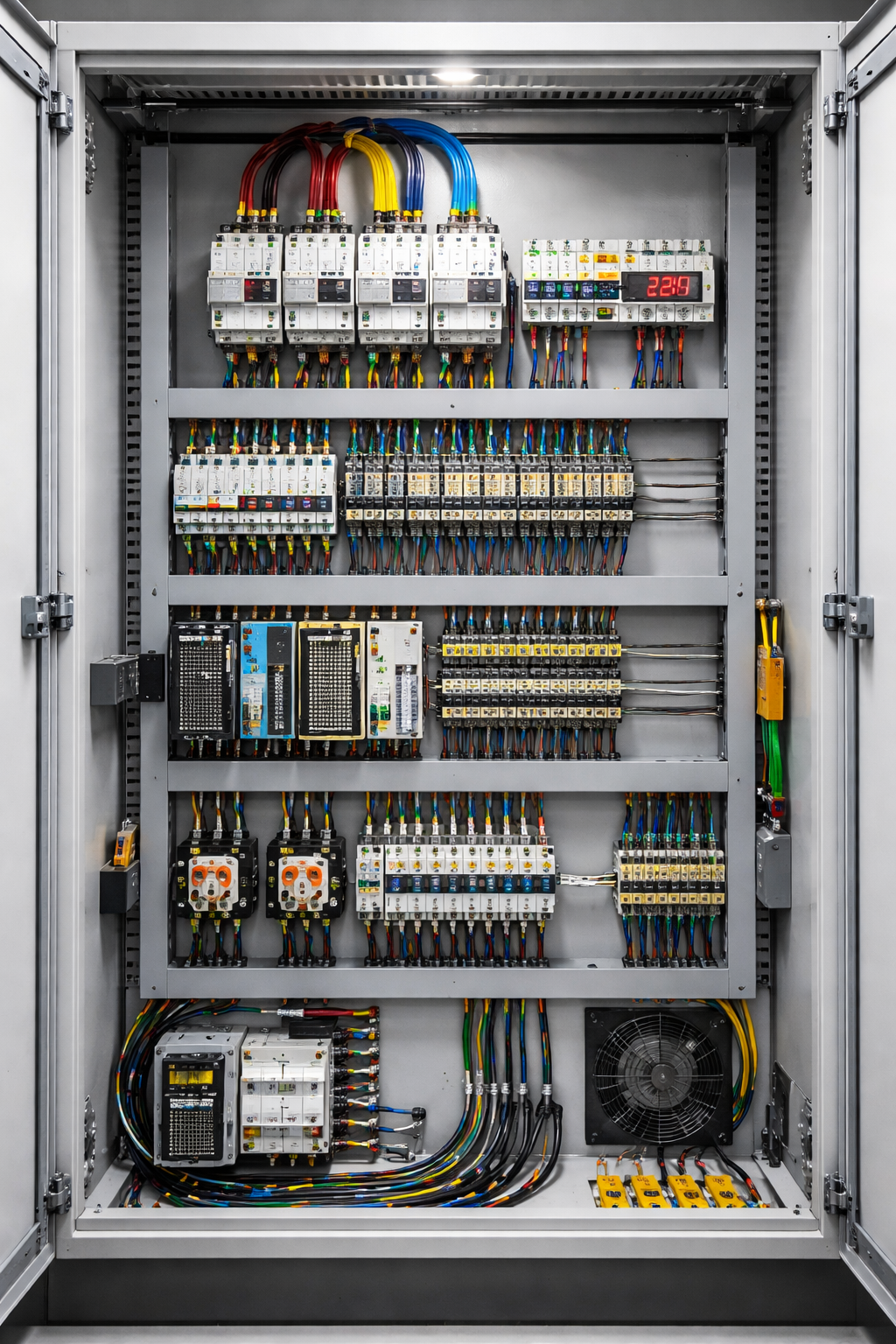
Panel capacity is one of the first things that should be checked. A charger adds a steady load, so the system must handle it safely. That review starts with the panel and the open breaker space. Some houses have enough room for a charger circuit without major changes. Other homes may need more work before the charger is added. That does not always mean a full upgrade, though it can happen. A good review looks at the full electrical picture, not one detail alone. Large appliances, heating equipment, and other circuits all affect the decision. That is why people should not begin a charger plan with guesses. Real facts about the panel lead to safer charger decisions.

Charger placement matters nearly as much as the electrical capacity. A unit placed too far from the normal parking spot can become annoying fast. A cable stretched across a walking path can create daily hazards. The charger should be close enough for easy use without crowding the space. Mounting height matters because the controls and cable should stay easy to reach. Outdoor placement also needs weather protection and durable equipment. Snow buildup, rain, and sun exposure can all affect normal daily use. A good location makes charging feel easy instead of awkward. That matters because the charger may be used several times every week. Good placement supports safety, comfort, and long term ease of use.

Safe wiring paths also matter in the full charger plan. The shortest path is not always the best path. Wiring should be protected, code aware, and practical for the home. Finished walls, garage storage, and outdoor surfaces can all affect the route. A clean wiring route often helps the final setup look better as well. This may sound minor, but clutter can bother people over time. The charger should feel like a normal and useful part of the home. It should not feel like a rushed temporary fix. Careful wire planning often helps the installation feel cleaner overall. That is one more reason a full review matters before work starts in Hidden Valley.

Common Questions About EV Charger Installation at Home

Many homeowners ask if every electric vehicle needs the same home charger. The simple answer is no, because vehicle charging needs can differ. Some electric vehicles work well with one charger type, while others differ. Connector style, charging acceptance, and battery size all play a part. That is why the charger should fit the vehicle and the property. A charger that looks strong on paper may not be the best daily match. A smart fit usually grows from clear and honest planning. That includes driving range needs, parking habits, and electrical capacity. A practical match usually helps homeowners more than a trendy option. That idea helps people focus on what they truly need at home.

Another common question is whether outdoor charger placement is safe. Often the answer is yes when the charger is rated for outdoor use. Outdoor charger placement should reflect weather, access, and surface conditions. Snow piles, water runoff, and direct sun exposure can all matter. The unit should be easy to reach without making use feel unsafe. Cable management matters outside just as much as it does indoors. A loose cable on damp ground can create avoidable problems. That is why cable reach, mounting, and storage all need careful review. An outdoor charger can work well when the placement is practical and safe. That makes outdoor charging a practical option for many homes in Hidden Valley.

Another question is whether the charger should be planned for future vehicles too. That can be wise, but the answer should stay grounded in real needs. Some households know they may add another electric vehicle later. Others may only need one charger for a long time. Leaving some room for flexibility can help when it makes sense. Still, future planning should not lead to an oversized setup with no real use. The best plan often leaves reasonable room without adding waste. That might involve wire size, panel planning, or charger features. The right balance depends on the home and the people living there. A practical balance often gives homeowners the most confidence over time.

Choosing a Practical EV Charger Installation Plan in Hidden Valley

A smart charger plan starts with real daily needs. It helps to think about where the car usually parks at night. It also helps to look at weekly driving distance. Those basic facts shape many good charger decisions. A good charger should fit real life, not wishful thinking. That means checking the panel, the parking area, and normal driving habits. It also means reviewing local weather, cable reach, and future needs. A charger should feel practical from the first week it is used. It should also keep feeling useful after months of normal driving. That kind of lasting fit is usually the real goal for homeowners in Hidden Valley.

Good planning can also prevent common mistakes that look small at first. A charger might be placed too far from where the vehicle really parks. The cable may end up crossing a walking path every day. The charger may be larger than the home truly needs. The electrical system may be guessed ready when it is not. A careful early review can reduce all of those issues. That review does not have to feel confusing or overly complicated. It only needs to be clear, honest, and tied to the home. That kind of approach often saves money, time, and later frustration. It also helps people feel better about the final charger decision.

In the end, EV Charger Installation should make daily driving safer and easier. It should support the vehicle without adding strain to the home system. It should be easy to reach, simple to use, and sensible for the property. A good setup does not need to feel flashy to be valuable. It needs to fit the home, the driver, and the local weather. That matters in Utah, where weather and travel patterns shift by season. A charger plan based on real facts usually works best over time. That is why it helps to review everything carefully before installation. Homeowners in Hidden Valley usually want a charger setup that feels steady and practical. When the plan matches daily life, the result can feel right for years.

Need Our Help

Get in Touch