

Landscape Lighting in Alpine UT

Landscape Lighting helps homeowners see outdoor spaces more clearly after sunset. Many properties in Utah have walkways that become very dark after sunset. Good lighting makes it easier to move around. It can also highlight trees, stone paths, and garden beds. Many homeowners first think about lighting after noticing shadows near entry paths. A careful lighting plan improves how outdoor spaces function each evening. Landscape Lighting should reflect how the yard is actually used each day. Some homes need only a few fixtures, while others need broader coverage. A well planned lighting system helps the yard remain comfortable at night.

Many homeowners notice that one porch light does not cover the full yard. Backyards, side yards, and garden paths often stay darker than expected. That can make small evening routines feel inconvenient. Landscape Lighting spreads light across the areas people actually use. Walkways, patios, and entry areas usually benefit the most. Lighting can also highlight landscaping features during the evening hours. Trees, garden beds, and water features often look better with gentle lighting. A balanced layout avoids harsh brightness and deep shadows. That keeps the outdoor space useful without making it feel overlit.

Some property owners look for Landscape Lighting in Alpine while improving their yards. They want lighting that supports both safety and outdoor comfort. Some homes need clearer lighting near paths and stairs. Others want lighting near patios or gathering spaces. Each property has its own layout and lighting challenges. That is why lighting design should start with the property layout. A quick plan may overlook areas people use often. Careful placement usually works better than adding many random lights. Landscape Lighting should fit the way the yard is used daily.

electrician salt lake city ut pro

Professional Landscape Lighting in Alpine UT

A good lighting layout starts with understanding how people move around the yard. Paths, entry doors, and seating areas usually receive attention first. These spaces are used daily and should remain easy to see. Lighting should help people move safely without creating harsh brightness. Poor placement can sometimes create darker areas nearby. Balanced lighting distributes light more evenly across the yard. That method usually improves visibility throughout the yard. Landscape Lighting in Alpine should match each home’s outdoor design. The goal is lighting that makes the yard easier to use each evening.

Another part of the planning process involves choosing the right fixture types. Pathway fixtures help illuminate walking routes. Accent lights can highlight trees, structures, or garden beds. Flood style fixtures help illuminate larger areas. Each fixture has a different role in the overall design. Using too many of one type may create uneven results. Mixing fixture types usually improves the final look. That keeps the yard pleasant rather than harsh. A thoughtful combination helps lighting remain useful over time.

Lighting controls also shape how outdoor lights operate at night. Some homeowners prefer timers that turn lights on automatically. Others install motion sensors near certain entry points. Manual switches may still be useful near doors or patios. Each choice has benefits depending on the home design. Timers help maintain predictable lighting schedules. Motion lights may help in less used areas. Choosing the right control improves daily convenience. Careful planning ensures the system works reliably.

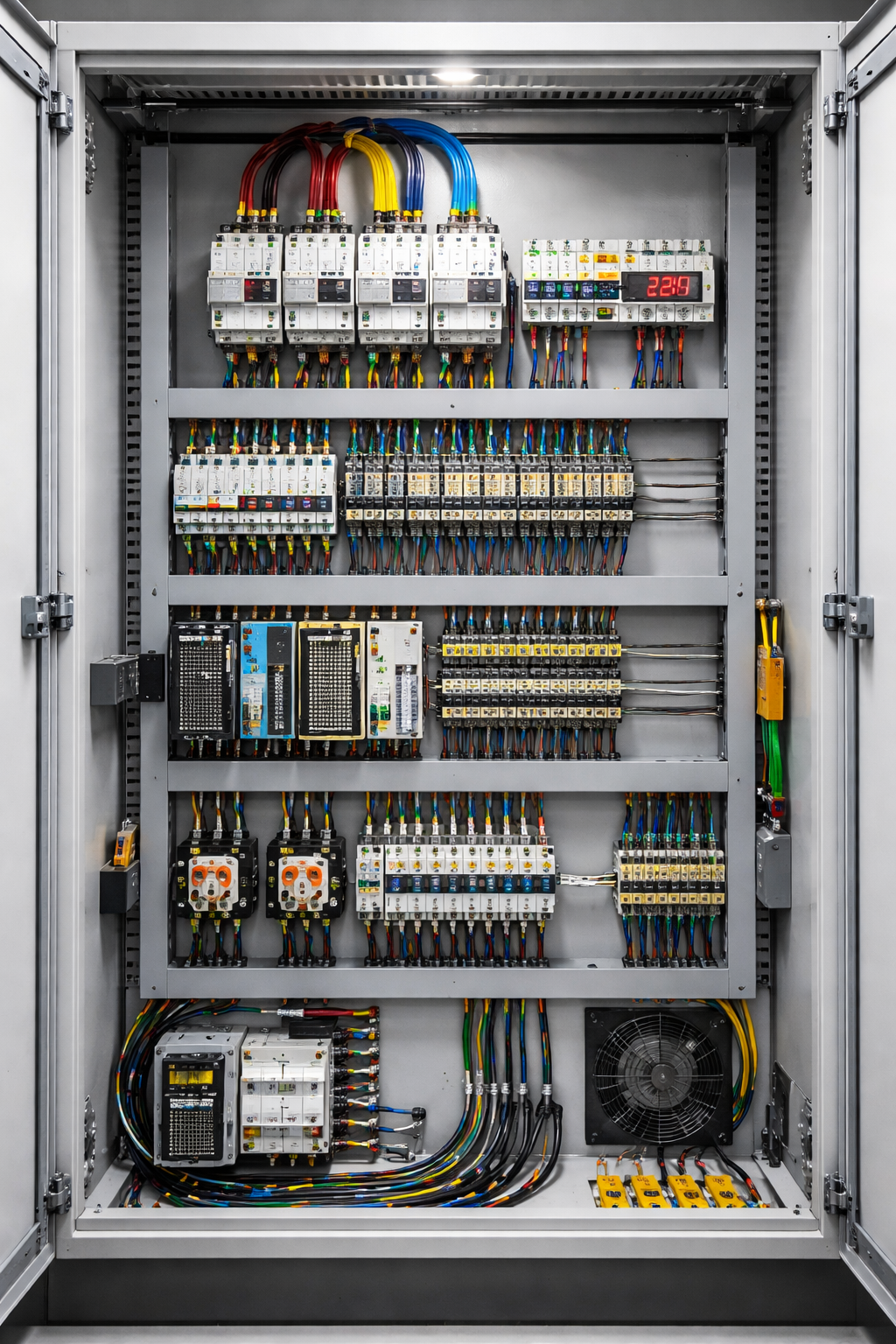
Ideal Places to Install Landscape Lighting

Garden paths are among the most common locations for landscape lights. These paths often guide people to doors or patios. Lighting helps people see steps and changes in elevation. Small path fixtures usually work well in these areas. They provide gentle guidance without excessive brightness. Proper spacing helps maintain balanced lighting. Lights placed too close together may feel overwhelming. A balanced layout keeps the walkway comfortable to follow. Landscape Lighting helps these paths remain usable throughout the night.

Doors and entrances also benefit greatly from landscape lights. Front doors, gates, and patios often need steady visibility. These areas see regular daily use. Lighting here should focus on visibility rather than decoration. Lights may be installed near entry paths. That helps people approach safely during evening hours. Entry fixtures should reduce glare and shadows. Gentle lighting usually performs best near entryways. Good entry lighting supports both comfort and safety.

Backyards often provide many lighting opportunities. Outdoor seating and garden areas often need soft lighting. These spaces are often used for evening activities. Lighting should support visibility while keeping the mood comfortable. Accent lights often work best in these spaces. Tree lights can add depth to the yard. Garden lighting can also improve the appearance of plants. Balanced lighting allows people to enjoy outdoor spaces longer. Landscape Lighting helps outdoor areas remain welcoming after dark.

Common Questions About Landscape Lighting

Many property owners wonder how much Landscape Lighting is enough for a yard. That depends on the size of the property and the way the yard is used each day. Some homes need only a few well placed fixtures near paths and steps. Other homes need broader lighting near patios, gardens, and long drive areas. The goal is not to place lights in every corner of the yard. The real goal is to improve light in the places people use every evening. That usually means paths, entry points, seating spaces, and darker edges of the property. A good plan focuses on practical coverage rather than simply adding more brightness. That often creates a yard that feels easier to use after sunset.

Another common question is whether brighter lights always create better results. For many properties, the answer is no. Overly bright lights can cause glare and produce deeper shadows around the yard. That can make some walkways and planting areas harder to see clearly. Balanced coverage often performs better than relying on several harsh lights. It helps people see the ground, edges, and path lines more clearly. It also makes the yard feel more comfortable and less severe after dark. Landscape Lighting usually works best when the light is steady and well placed. That is why the lighting layout matters almost as much as brightness itself.

Homeowners also ask whether Landscape Lighting can match the look of the house. That makes sense because outdoor fixtures remain visible all year long. A useful light should still fit the shape and feel of the property. Some properties work better with clean fixture lines and darker finishes. Other homes may look better with traditional fixture shapes and softer details. The fixture style should also match the area where it is installed. A front path may need a different style than a garden bed. That is why function and appearance should be considered together. A well selected fixture can improve both safety and the overall yard look.

Landscape Lighting for Safer and More Comfortable Evenings

Landscape Lighting makes outdoor areas easier to use once the sun goes down. That is helpful for families, visitors, and anyone moving around the property in the evening. Steps, borders, and uneven ground can become difficult to notice in low light. Good lighting helps reduce those problems in a simple way. It helps people move more safely near doors, side paths, and planted areas. It can also improve visibility near driveways and separate garage buildings. Many Utah homes have outdoor spaces that stay in use after sunset. That makes useful outdoor lighting a smart part of normal evening routines. A clearer yard is usually more comfortable to use each night.

Comfort is also important when building a Landscape Lighting plan for a yard. People want to see where they are going without feeling overwhelmed by bright light. That is why gentle and even lighting often performs well outside the home. A softer layout can make patios and outdoor seating spaces feel more inviting. It can also help plants, beds, and trees appear more natural after sunset. Too much light can sometimes remove that calm outdoor feeling. Balanced placement helps the whole space feel easier to enjoy. That supports both quick outdoor chores and longer time spent outside. Landscape Lighting should help the yard feel safe and comfortable together.

Good outdoor lighting also helps support better daily routines around the home. Many people carry out bins, check side gates, or walk pets in the evening. Those small tasks become easier when the yard is clearly lit. A back door, fence line, or side path may need more light than expected. That is why real daily use should guide the lighting layout. A property used often in the evening needs different lighting than one used rarely. Landscape Lighting in Alpine should reflect those real habits and needs. That helps the final result feel useful instead of only decorative. Lighting usually works best when it fits the way people actually use the yard.

Long Term Value of Well Planned Landscape Lighting

A well planned lighting system can stay useful for many years. That matters because outdoor lighting is used in every season. Utah weather brings snow, summer heat, and quick temperature changes. A solid lighting plan helps the system stay reliable through those conditions. Lights should be installed where they can manage regular weather exposure. Wiring paths should also stay protected from water and soil movement. That helps lower future problems and supports reliable operation over time. Landscape Lighting that is planned carefully often needs fewer corrections later. That helps homeowners get better long term value from the lighting setup.

Another lasting benefit is easier planning when the yard changes over time. Many yards change as plants grow and new outdoor features are built. A homeowner may later add a patio, fence, or garden border. Those updates can change where light is needed most around the property. A flexible layout makes those later updates easier to handle. Some systems are planned with room for added fixtures later. That can save time and help the property stay organized. A setup that can grow with the property usually performs better over time. That is one reason early planning helps so much.

Landscape Lighting can also help property owners read their outdoor spaces more clearly. After the lights are installed, dim areas and shadows become easier to spot. That can help with later changes to paths, plantings, and entry areas. It can also help people notice aging fixtures before they stop working. A weak light, flicker, or poor connection should always be checked early. Small lighting issues often become larger problems when ignored. A well planned system makes those warning signs easier to see. That helps keep the property more usable and safer night after night. The lasting value comes from lighting that remains clear, useful, and reliable.

Need Our Help

Get in Touch