Code Compliance Corrections In Holladay UT

Code Compliance Corrections help fix electrical problems that break safety rules. Many homes require this work after a safety check shows unsafe wiring. Some issues are minor, but others can create fire risks. Many older properties still use electrical parts that do not meet current standards. That does not mean the full electrical system must be replaced. In many cases, only targeted repairs are needed. In Utah, inspectors follow safety rules that protect people and property. Those rules help lower the chance of electrical fires. When the work is completed properly, the electrical system is usually safer and more dependable.

Property owners often first learn about this service during a sale, remodel, or permit visit. An inspector may list open splices. It can also list overloaded circuits. These are common problems in both homes and small business spaces. Many owners worry when they first see an inspection report. That reaction is normal because electrical terms can sound technical. The good news is that many corrections are clear once each problem is explained. A step by step review helps separate major hazards from basic repairs. That makes planning the repair work much easier.

People also search for Code Compliance Corrections in Holladay when they want honest answers before spending money. They want to know what failed, why it failed, and what should happen next. That helps because each code issue should be handled in the right way. A damaged outlet should not be treated like a panel overload. A missing ground is very different from poor panel labeling. Good code work starts with knowing the difference between safety hazards and cleanup items. That helps owners protect the building without wasting time or money. It often makes the reinspection process easier. Repairs tied to actual code rules often hold up better over time.

electrician salt lake city ut pro

Trusted Code Compliance Corrections In Holladay UT

Electrical code rules exist to keep power systems safe and reliable. They include rules for wiring paths and many other safety points. When a system breaks those rules, inspectors usually ask for corrections. That does not mean the building is beyond repair. It usually means certain parts need to be fixed before approval. Many violations come from age, wear, or past shortcut work. Others happen when new equipment is added without proper planning. That is common in kitchens, garages, basements, and additions. The right repair helps each space move back toward safe code use.

Many owners ask if code repair means everything must be replaced. In many cases, the answer is no. Some jobs only need a few outlets, breakers, or connectors replaced. Other situations may call for panel changes or grounding upgrades. The needed repair depends on what the inspector found. It also depends on the age of the building and the amount of electrical demand. A small home office creates different needs than a workshop or rental unit. That is why it helps to review the whole report before starting work. Good planning keeps the work focused and easier to manage.

Owners also ask how quickly code issues should be repaired. The answer depends on what kind of problem exists and how dangerous it is. Exposed wiring, overheating parts, and missing protection should be handled soon. Loose cover plates or poor labels may be less urgent, but they still matter. Ignoring small issues can lead to larger inspection problems later. It may also increase the amount of work later. When repairs start sooner, the work often stays more manageable. That can help reduce repeat visits and added delays. Prompt corrections often protect both safety and daily comfort.

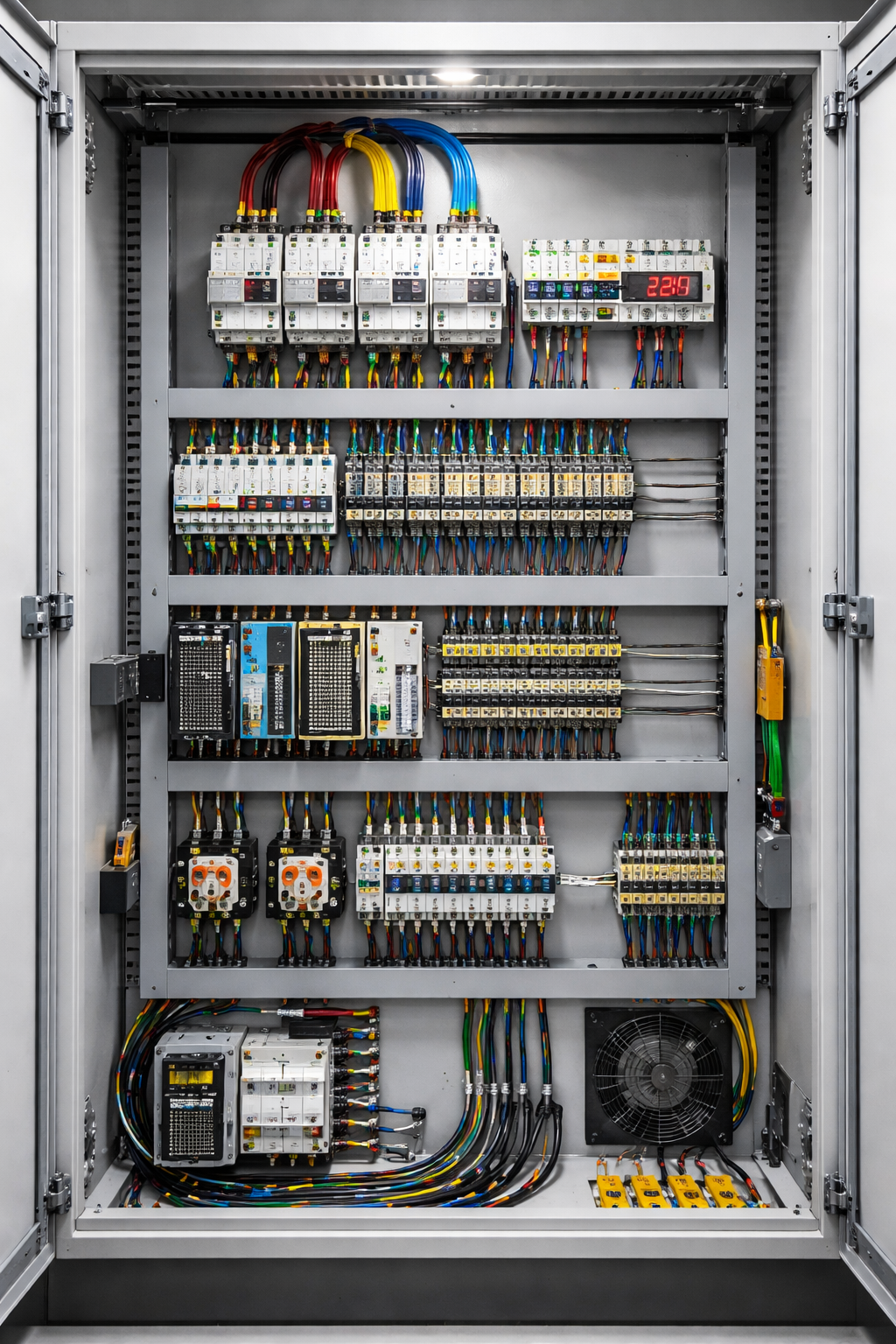
Common Electrical Problems Found During Inspections

One of the most common inspection findings is improper grounding. Grounding gives stray electrical current a safer path. Without it, shocks and equipment damage can become more likely. Older outlets may have no ground at all. Metal electrical boxes may also have bonding issues. These problems may not be obvious during daily use. An inspector can spot them during testing or panel review. Code Compliance Corrections often address missing or weak grounding. That helps the system work more safely during faults.

Missing GFCI or AFCI devices are also common inspection problems. These safety devices are designed to react faster during dangerous conditions. GFCI devices are commonly required in wet or damp areas. AFCI protection is often used where arc faults could start fires. Older homes may not have these protections in the right places. Renovation work may also require updated protection devices. Inspectors often pay close attention to garages, baths, kitchens, and exterior outlets. When these devices are missing, the correction is often clear. Adding the right protection can greatly improve safety.

Electrical panels also cause many inspection failures. A breaker may be the wrong size for the wire it protects. The panel may also have missing blanks or unsafe openings. Wires may be crowded, unlabeled, or landed the wrong way. Two wires under one breaker is another common violation in certain panels. Some aging panels may also show wear or outdated parts. These problems can hurt safety and system performance. Code Compliance Corrections may involve small fixes or full panel updates. The proper repair depends on the panel state and the listed violations.

Why Older Homes In Utah Often Need Corrections

A lot of older Utah homes were built before current electrical rules took effect. That does not mean the original installation was wrong for its time. It means electrical standards have changed as demand has grown. Years ago, families had fewer appliances and fewer electronic devices. Today, many households run computers, chargers, kitchen tools, and large equipment daily. That added demand can stress older circuits. It can also reveal weak points that were not obvious before. Code Compliance Corrections help these older systems meet newer expectations. That can improve both safety and daily performance.

Older houses often contain a blend of original wiring and newer additions. One room may have been remodeled while another area stayed original. A garage circuit may have been added years later by another worker. Over time, that mix can create inconsistent safety conditions. Some areas may have modern protection while others do not. That can make inspection findings feel more confusing. It also means each correction should match the area and the wiring type. Good code repair reviews each area with care. That approach often leads to more accurate and lasting results.

Weather and building use can also affect electrical systems over many years. Outdoor outlets, garages, and lower spaces often deal with harder conditions. Moisture, dust, heat changes, and age can affect connections. A weak electrical connection may slowly get worse with time. Broken covers can let moisture or debris reach electrical components. That is one reason regular reviews can be useful in older properties. Small fixes made early can stop larger failures later. Code Compliance Corrections often deal with these age related conditions directly. That makes the home safer for the people living there.

What Property Owners Should Do Before Repairs Begin

Before any repair starts, it helps to read the inspection report carefully. Each listed item should be understood in plain language. Some reports use short technical notes that seem unclear at first. Terms like bonding, grounding, or conductor rating may sound unfamiliar. Even so, each note usually refers to a real and specific issue. It helps to separate urgent hazards from basic code cleanup items. That makes the job easier to plan in a smart order. It also helps control stress during the process. A clear reading of the report is a good first step toward proper repair.

It also helps to think about how the building is used each day. A house, rental, office, and small business space may all need different electrical support. That matters because some repairs change the way circuits are arranged. A kitchen with many appliances may need stronger protection than a storage room. A workshop may need dedicated circuits that a bedroom does not need. Thinking about real use helps avoid poor repair choices. It may also reveal where more electrical demand is coming later. That helps repairs stay practical over time. Good planning should fit both the code report and the property use.

It is also smart to make electrical areas easy to reach before work starts. Panels, receptacles, attics, and crawl spaces may all need to be checked. Boxes and stored belongings can block safe access to electrical areas. That may delay the repair process and make review harder. Clear access helps the work move in an orderly way. It also helps people see the full condition of the wiring. When hidden defects are found early, the job often goes better. That supports better repair decisions and cleaner scheduling. Preparation often saves time once corrections begin.

How Code Compliance Corrections Support Safer Long Term Use

Safe electrical work is not only about passing one inspection. It also helps the property stay safer over the long term. When wiring is corrected properly, daily power use becomes more dependable. Outlets tend to work better, breakers respond more predictably, and loads stay more balanced. That is helpful in houses, rental properties, offices, and small business sites. Families and workers rely on safe electrical service every day. They use lights, cooking tools, devices, heating equipment, and chargers constantly. A code compliant system supports those daily needs better. That is one reason these corrections matter beyond the inspection report.

Proper repairs may also lower the chance of future electrical trouble. A rushed patch may pass for now but fail again later. A sound repair fixes the actual source of the problem. That might mean replacing damaged parts instead of covering them up. It may also involve better grounding, clearer labeling, or improved load balance. Those improvements can make later inspections much easier. They may also help with future upgrades and added circuits. That can help even if the property is not being sold soon. A safer electrical system usually brings fewer problems over time.

Code Compliance Corrections often help owners understand their property more clearly. After the main problems are explained, the electrical system often makes more sense. People often learn how power is arranged and where the main safety points are located. That knowledge can help with maintenance, upgrades, and future planning. It may also help people spot warning signs earlier. Buzzing panels, warm outlets, and frequent trips should never be ignored. A better understanding makes those signs easier to spot. That helps in any property, especially in older buildings. Safer use starts with clear corrections and a better understanding of the system.

Need Our Help

Get in Touch