Trusted Code Compliance Corrections In Little Cottonwood Canyon UT
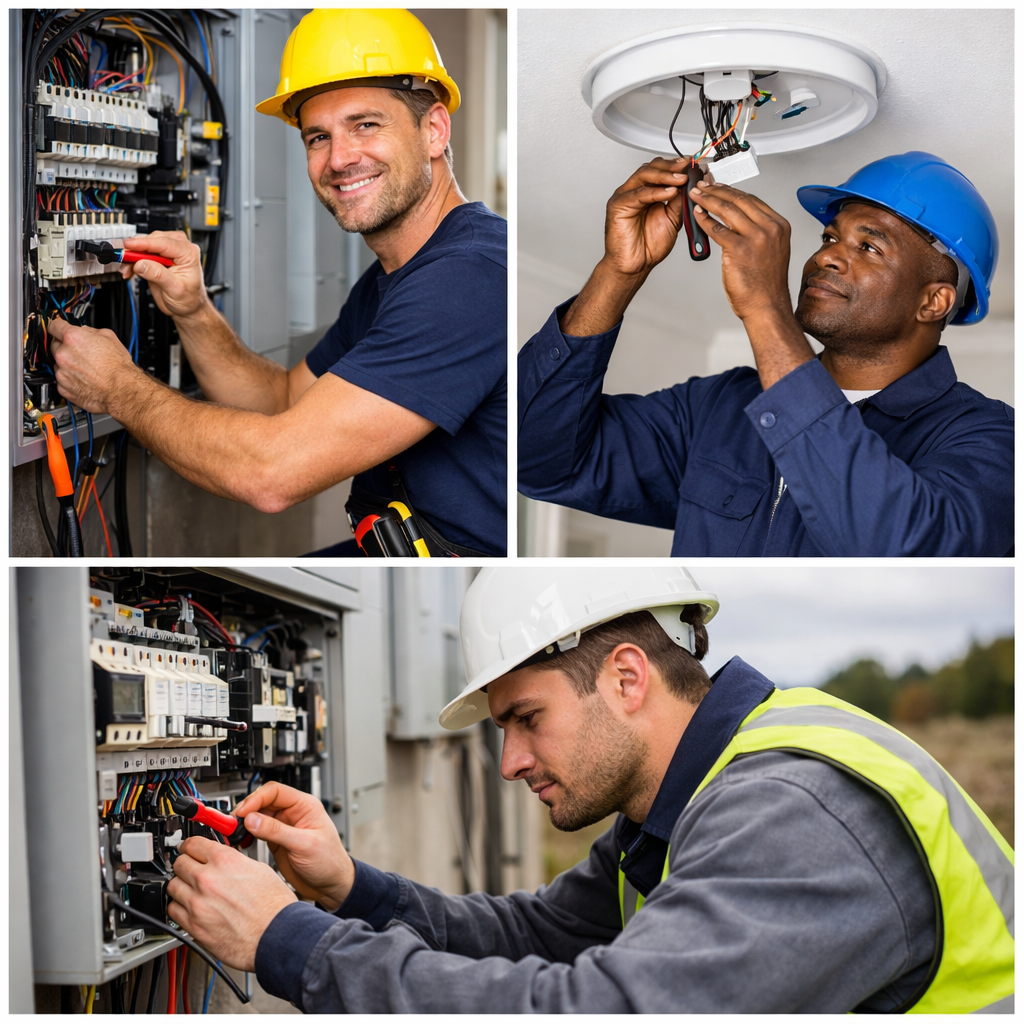
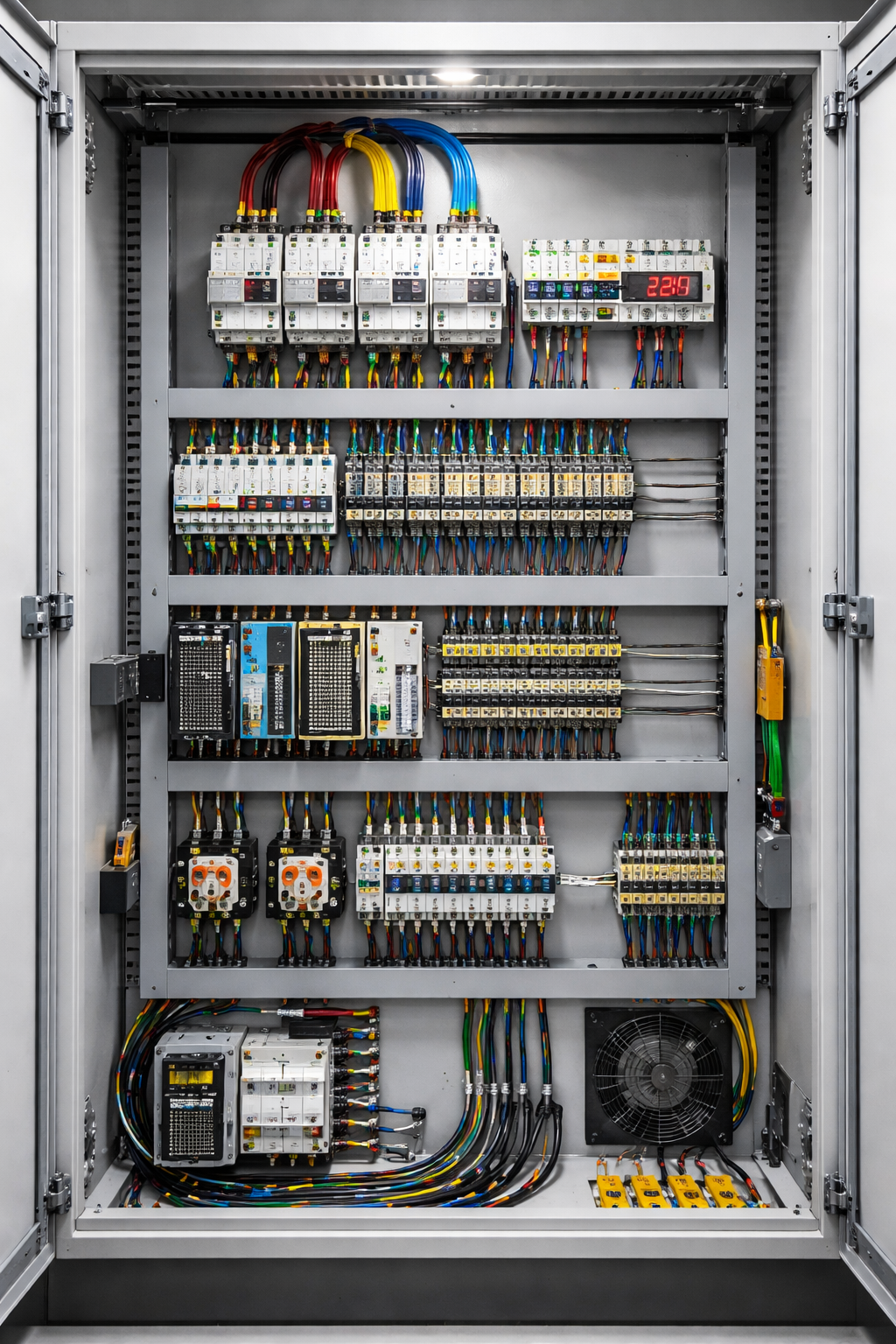
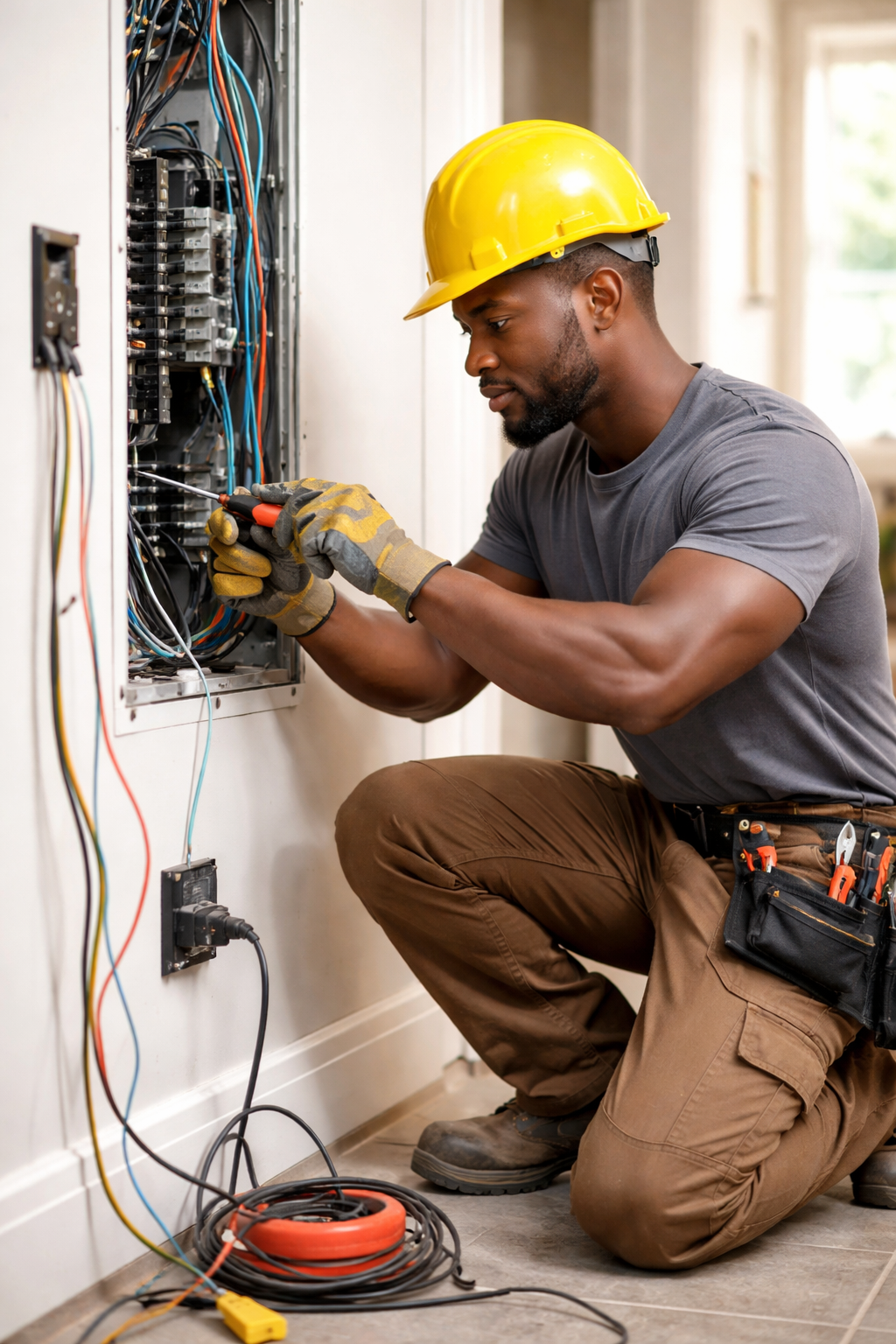
Electrical standards are written to keep wiring systems safe and steady. They include rules for wiring paths and many other safety points. When a system breaks those rules, inspectors usually ask for corrections. That does not mean the building is beyond repair. It usually means certain parts need to be fixed before approval. A lot of problems happen because of age, damage, or earlier poor workmanship. Others happen when new equipment is added without proper planning. That is common in kitchens, garages, basements, and additions. The right repair helps each space move back toward safe code use.
Many owners ask if code repair means everything must be replaced. In many cases, the answer is no. Some repairs are limited to several devices, breakers, or wire connections. Other situations may call for panel changes or grounding upgrades. The needed repair depends on what the inspector found. It also depends on the age of the building and the amount of electrical demand. A small home office creates different needs than a workshop or rental unit. That is why careful review matters before any correction begins. Clear planning helps keep the repair process organized.
Another common concern is how soon corrections should be handled. The answer depends on what kind of problem exists and how dangerous it is. Exposed wiring, overheating parts, and missing protection should be handled soon. Panel labels and cover issues may be less urgent, but they still need attention. Ignoring small issues can lead to larger inspection problems later. It can also make future repairs take longer. When owners act early, the process is usually simpler. That may lower the chance of extra trips and extra delays. Timely repairs often support both safety and peace of mind.