

Commercial Electrical Maintenance in Pleasant Grove UT

Commercial Electrical Maintenance helps businesses keep their systems safe and working each day. Many businesses in Utah depend on steady power from the moment the doors open. Panels, outlets, lighting, wiring, and equipment all need regular care over time. When those parts are checked and maintained, daily work usually runs more smoothly. That matters in Pleasant Grove, where commercial properties often stay active through the full week. A small electrical concern can become a bigger problem when it is left alone. That can affect employees, customers, equipment, and daily business routines. Routine maintenance gives owners a better chance to catch problems before they grow. That kind of regular care often lowers stress and helps avoid sudden downtime. A building that works well electrically is easier to use and manage every day.

Commercial buildings do not all use electrical systems in the same way. A small office may focus on computers, lighting, and network support. A retail store may need bright lighting, checkout support, and display power. Restaurants often rely on kitchen circuits, refrigeration, and long daily use. A service building may need stable power in both work zones and front spaces. Because of that, the maintenance plan should fit the building and daily use. A one size plan does not always work well in commercial settings. The best results often come from knowing how the property is used each day. Commercial Electrical Maintenance in Pleasant Grove tends to work best when the building routine guides the plan.

Many business owners focus first on repairs because that feels more urgent. Repairs matter, but maintenance can help prevent some repair needs later. That is why routine care can be helpful for many commercial buildings. A weak outlet, dim light, or hot breaker may offer early warning signs. If those signs are ignored, the problem may spread or return again. Regular checks can help find trouble before business is interrupted. That matters because many businesses cannot afford surprise electrical downtime. Customers notice delays, and staff notice when tools or systems stop working. A sound maintenance plan often helps businesses avoid surprises in Pleasant Grove.

electrician salt lake city ut pro

Commercial Electrical System Maintenance in Pleasant Grove UT

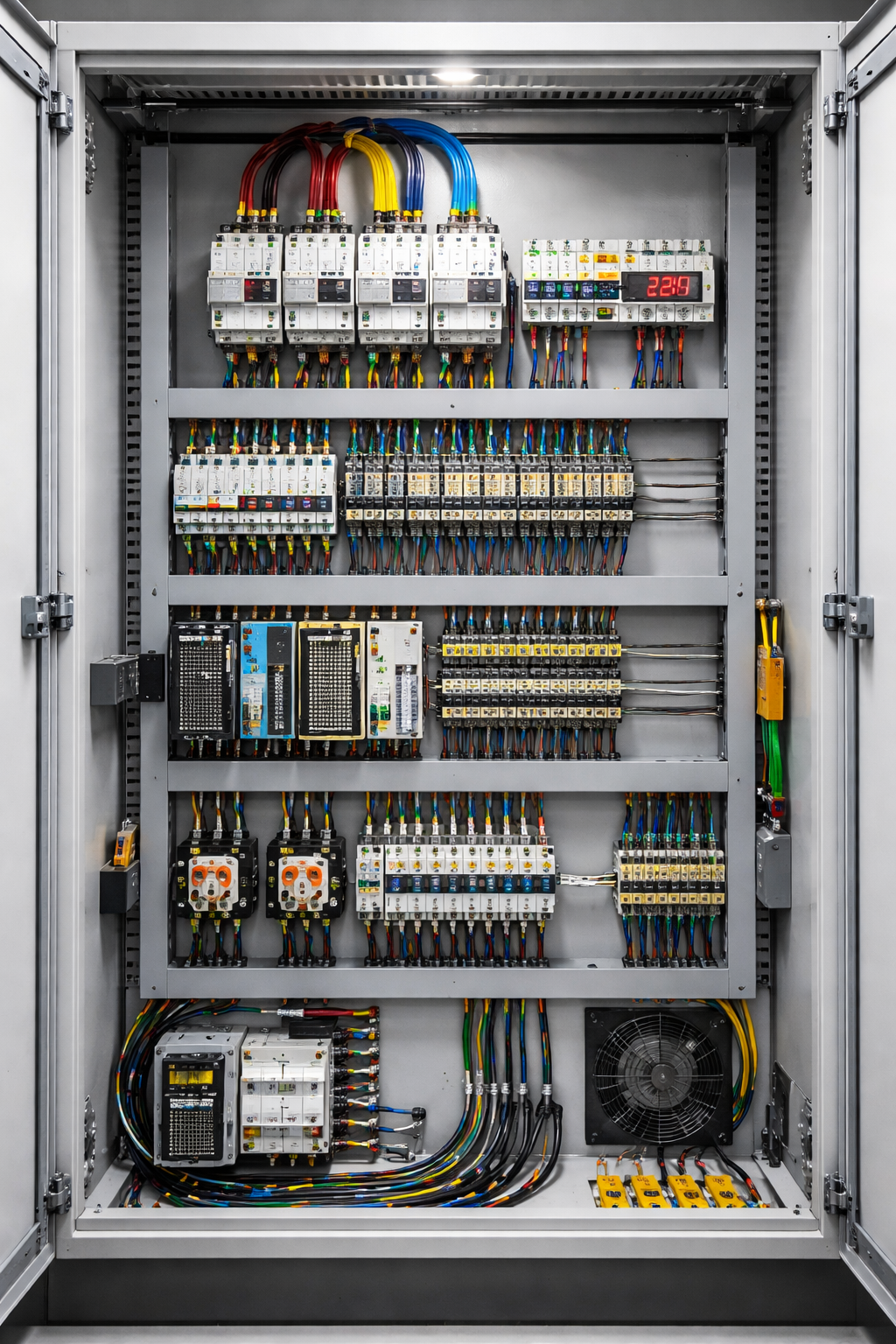
Commercial Electrical System Maintenance in Pleasant Grove UT should focus on the full property, not just one issue. A business building uses many connected electrical parts every single day. That includes panels, circuits, switches, outlets, lighting, and connected equipment. If one part grows weak over time, other areas may feel the impact later. That is why regular maintenance should focus on the full system. A small repair may handle one problem without showing the cause. A wider maintenance review can help show wear, strain, or uneven distribution. That gives owners a clearer picture of how the building is performing. A clear view of the system often leads to better decisions over time. It also helps reduce guesswork when electrical issues appear later.

Routine maintenance often supports safety just as much as performance. A busy commercial property puts regular demand on circuits and electrical equipment. That daily demand can slowly wear on switches, breakers, outlets, and wiring points. Small signs of wear may not stop work right away, but they still matter. A loose connection, flickering light, or repeated breaker trip may seem minor early on. Still, those signs should not be left alone for very long. Routine maintenance helps spot those issues before they interrupt more work. That is especially helpful in commercial spaces with long hours or heavy use. Commercial properties across Utah often benefit from that kind of steady care. It supports daily work without making the building feel harder to manage.

Maintenance also lets businesses plan ahead instead of only reacting later. A reactive approach may seem faster at first, but it can cost more later. Repeated outages, temporary fixes, and emergency calls can create more disruption. Routine maintenance allows the building to be reviewed during normal working conditions. That often helps owners make calmer choices and time repairs or updates better. It can also help businesses plan for later growth or layout updates. A regularly reviewed building is often easier to understand over time. That makes later decisions about circuits, lighting, or panels more practical. For many business owners, that kind of clarity is a major benefit. It turns electrical upkeep into a plan instead of an ongoing surprise.

Why Routine Maintenance Matters in Commercial Buildings

Regular maintenance matters because most electrical systems slowly wear with time. That slow wear can be hard to notice during a normal busy week. Lights may still turn on, but they may flicker more often than before. Outlets may still function, but they may feel loose or warm when used. Breakers may still operate, but they may trip under normal demand more often. Each of those warning signs may seem small on its own. Together, those clues can show a need for closer review. Routine maintenance helps catch those patterns before they grow into larger issues. That is why many businesses benefit from steady checks instead of waiting. Problems are often easier to manage when they are found early.

Business buildings often place heavier strain on electrical systems than homes. Longer hours, larger equipment, and constant use all affect electrical wear. A system that works all day for staff and customers needs dependable support. That support does not come only from repairs after something breaks. It also comes from regular review, testing, and steady upkeep. A well maintained system is often easier to trust during busy hours. That matters most when work is busy and customer traffic is steady. Unexpected electrical trouble during a busy day can affect more than one task. Regular maintenance helps lower the chance of those disruptions. That is one practical reason many businesses in Pleasant Grove take it seriously.

Maintenance also matters because electrical systems do not stay unchanged forever. Buildings change, equipment changes, and business needs change over time. A plan that worked years ago may no longer fit current needs. New devices, added workstations, or longer hours can raise electrical demand. That does not always mean the business needs a large electrical upgrade. It does mean the building should be reviewed as use changes. Regular maintenance creates a good time to look at those changes. That helps business owners keep the system aligned with actual demand. A system that matches real use is usually safer and easier to manage. That is one more reason maintenance has long term value for businesses.

Common Areas That Need Ongoing Electrical Attention

Lighting is often one of the first areas needing regular electrical attention. Commercial lights are used often and may show wear over time. A dim area can affect visibility, comfort, and how the space feels. Lights that flicker may bother staff or make customers less comfortable. Exterior lighting also matters, especially around doors and walkways. Weak outdoor lighting can affect safety during early mornings or late evenings. Regular maintenance helps reveal bulbs, fixtures, or circuits that need work. That keeps lighting problems from building up across the property. For many commercial properties, steady lighting support matters every day. That is why lighting reviews are often part of regular maintenance.

Panels and breakers also need steady attention as time passes. They help carry and manage power across the building. If they are under strain, the effects may spread beyond one room. Repeated breaker trips, heat, or unusual behavior should not be ignored. Those signs may point to wear, overload, or other electrical concerns. Regular maintenance helps ensure the panel area is reviewed more closely. That makes it easier to spot changes before they affect operations. A strong panel supports the rest of the system more reliably. That is one reason panel review stays part of commercial maintenance work. The property usually works better when power distribution remains stable.

Outlets, switches, and dedicated circuits also need ongoing review. These parts are used daily in many commercial properties. Those parts can wear slowly when equipment is used and moved often. A weak outlet may interrupt tools, computers, or customer facing systems. A faulty switch may affect lighting in areas used all day. Some equipment relies on dedicated circuits for steady and separate support. If those circuits are not performing well, operations may slow down. Regular maintenance helps catch those issues before business is interrupted. That helps the building stay easier to use for staff and customers. Small maintenance steps in these areas often support larger building stability.

Signs a Business May Need Better Electrical Maintenance

One common sign is lighting that starts flickering more than usual. That may happen in one room or across several work areas. At first, it may seem like just a simple bulb issue. At times it is simple, yet repeated flickering should be checked more closely. It can point to a fixture issue, circuit problem, or another concern. Routine maintenance helps sort out those causes before problems spread. The same applies to outlets that feel warm or work off and on. Those signs should not be dismissed as normal wear in the building. They usually mean some part of the system needs attention. The earlier those signs are checked, the better the outcome may be.

Another warning sign is repeated breaker trips during regular business use. A breaker helps protect the system, so repeated trips should not be ignored. If the same breaker keeps tripping, a larger issue may be present. That can suggest overload, circuit strain, or some other electrical issue. A company may work around that issue for a time, but that is not a true solution. Routine maintenance helps reveal why those trips are happening. That offers owners a better path than endless temporary resets. It also helps lower the risk of future disruption during business hours. For many companies, that kind of steady review gives peace of mind. It replaces guesswork with a clearer picture of the property.

Some warning signs are less obvious but still matter over time. Business equipment may start resetting, struggling, or losing power more often. More extension cords may begin appearing around the building. Staff may notice that some work areas feel less reliable than others. Those may seem like small issues, but they can point to larger needs. A building that has evolved may no longer fit its older electrical plan. Routine maintenance helps connect those daily clues to the larger system. That gives owners a chance to make practical updates instead of waiting. A regularly reviewed building is easier to keep matched to daily business use. That is one strong reason many commercial buildings benefit from maintenance planning.

Planning Commercial Electrical Maintenance for Long Term Use

Long term maintenance planning often helps businesses more than only reacting to issues. Only reacting after problems appear may seem easier in the short term. Still, repeated small problems can create stress and interrupt operations over time. A scheduled maintenance plan gives the business a steadier path. That does not mean each maintenance check will find something major. Often, the benefit comes from confirming that the system is still working well. It also comes from catching smaller changes before they become more serious. That kind of routine attention often lowers the chance of later surprises. Over time, that can make the entire building easier to manage. It supports both safety and daily business comfort.

A long term plan should also reflect how the business may change over time. A property may add workstations, displays, tools, or service equipment later. Operating hours may also increase during periods of growth. That means the building’s electrical demand may not remain the same. Maintenance offers a useful time to review whether the system still fits current use. That kind of review does not always require major changes at once. Sometimes it simply shows where planning should begin for later updates. That helps owners make calmer decisions instead of rushed decisions. A business that plans early is often easier to support over time. That is another reason maintenance has value beyond the present moment.

In the end, Commercial Electrical Maintenance should support daily business use in a practical way. It should help the property remain safer, steadier, and easier to run. That means lighting, circuits, outlets, panels, and connected equipment across the property. It also means responding before small concerns turn into larger problems. That matters in Utah, where businesses rely on dependable buildings in every season. Owners in Pleasant Grove often want a practical plan that feels dependable over time. They want fewer surprises, steadier operations, and systems that fit real use. That is why routine maintenance remains a useful part of property care. When the plan fits the business properly, the property often works better over time. That is the kind of steady result many businesses hope to achieve in Pleasant Grove.

Need Our Help

Get in Touch