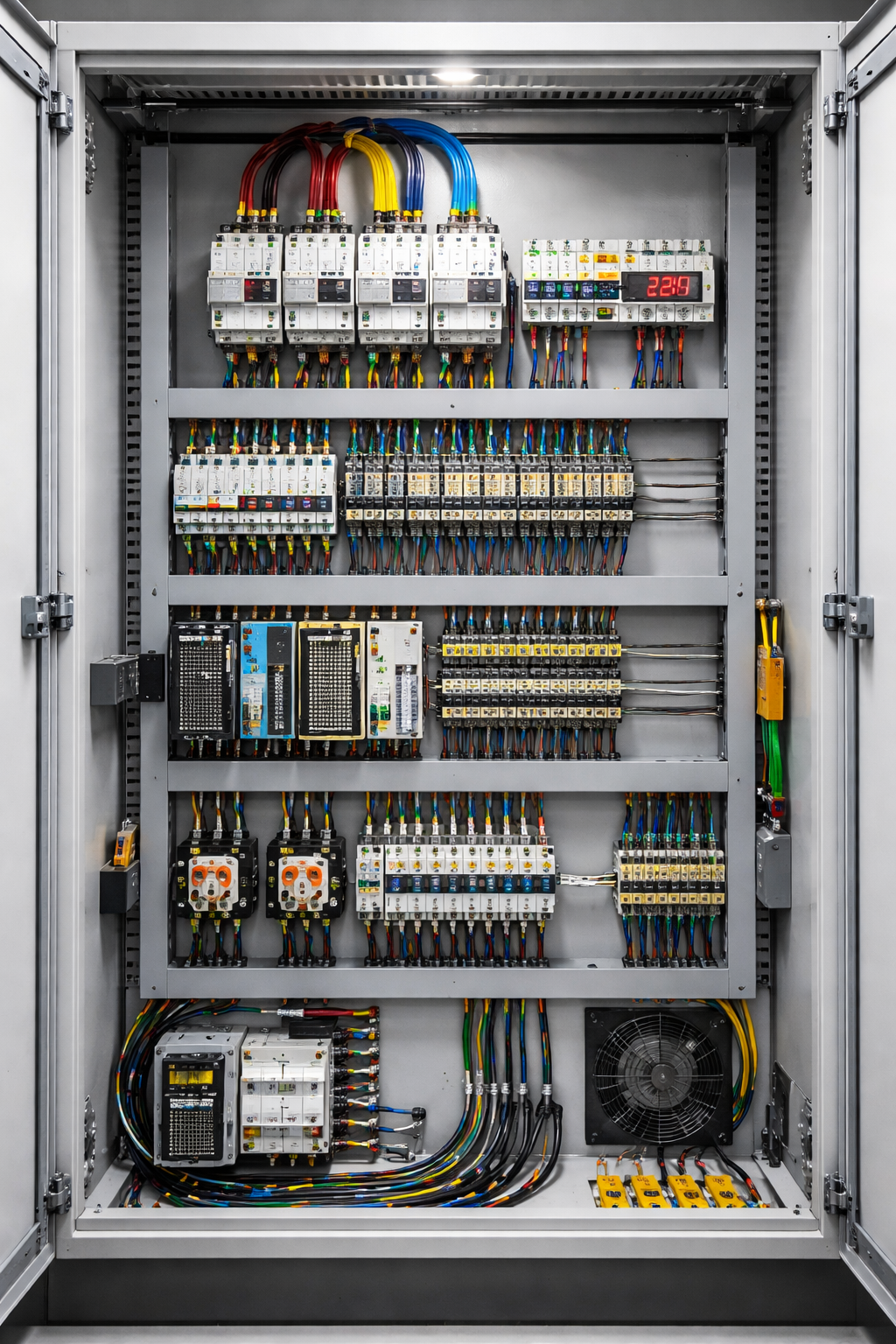

Commercial Building Electrical Services in Highland UT
Commercial Building Electrical Services in Highland UT should begin with the whole property, not just one issue. A commercial building uses many connected systems that need steady electrical support. That includes lighting, outlets, panels, dedicated circuits, and equipment connections. Some properties also rely on signs, security systems, and backup power planning. A practical service plan should include all of those connected parts. That matters even more when a business is opening, expanding, or remodeling. A small fix may solve one problem but miss a bigger issue. A broader review often leads to a cleaner and more useful result. That helps business owners make decisions with a clearer view of the property.
Many companies want electrical systems that support work without creating daily problems. That means proper power in the areas where work happens most. It also means lighting that fits customer spaces, staff spaces, and work zones. A dim office can affect focus and comfort for employees. A weak front entrance light can affect how customers enter the building. A crowded circuit can affect tools, equipment, or point of sale stations. Those are practical concerns for many commercial properties across Utah. A useful electrical plan should lower stress instead of creating more questions. That is one reason careful planning matters in commercial buildings.
Another reason planning matters is future change inside the property. Many businesses add staff, equipment, or new work areas over time. Retail spaces may change layout as products and displays change. An office may later need more workstations or better connected support. A restaurant may update kitchen equipment or service areas. When the electrical system is planned with growth in mind, later updates become easier. That does not mean every business should make a large upgrade now. It means the building should be understood clearly before choices are made. That straightforward approach often reduces later cost, stress, and disruption.