Faulty Light Switches

Electrical Switch Repair in Salt Lake City, UT

A light switch that stops working, flickers, buzzes, feels warm or sparks needs a closer look before it is used much longer. Our electrical switch repair service in Salt Lake City, UT covers wall switches, dimmers and multi-location switches, starting with finding out whether the switch, the light or the circuit is behind the problem.

Call 385-290-3821 to describe what the switch is doing, or send us a message.

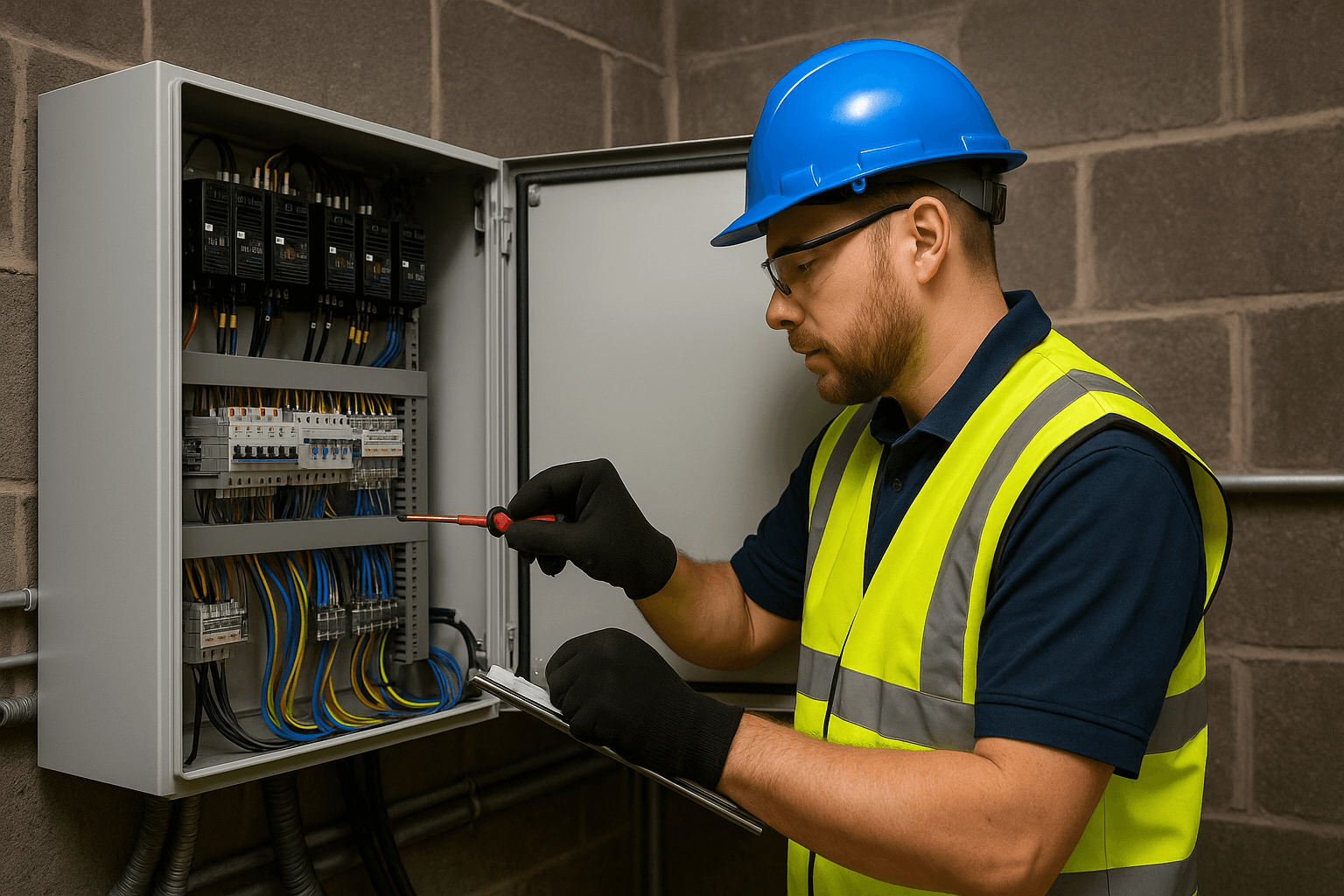
Electrician working on wiring inside an electrical panel

Switch Symptoms That Need Attention

Switches get used many times a day, so some wear over time is normal. A switch that feels loose or mushy, has to be pressed a certain way to work, or works only some of the time may have worn internal parts or a loose connection behind the cover.

Other signs call for prompt attention: a switch or cover plate that feels hot, buzzing or crackling, sparks when the switch is flipped, a burning smell, or scorch marks. The U.S. Consumer Product Safety Commission’s guide to repairing aluminum wiring lists hot face plates on switches, flickering lights and the smell of burning plastic at switches among the signs that a qualified electrician should determine the cause.

If a switch is hot, smoking or sparking, stop using it and leave the cover in place. If there is smoke or fire, leave the building and call 911.
Is It the Switch, the Light or the Circuit?

Problems that show up at a switch do not always start there. Flickering lights, for example, can have several causes.

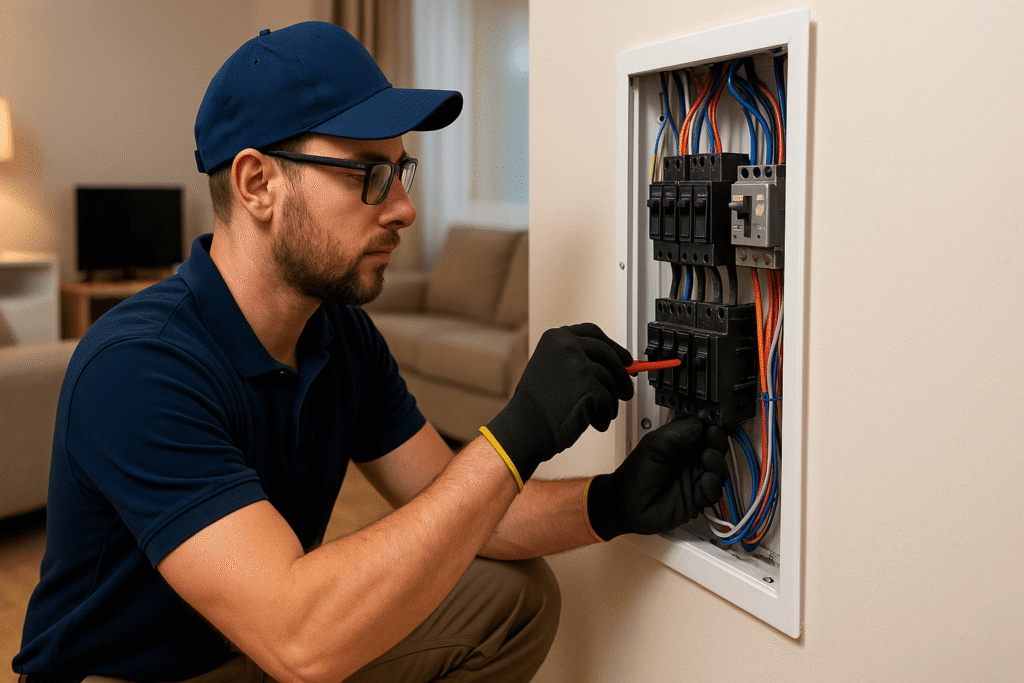
Electrician working on a residential breaker panel

The Bulb or Fixture

A loose bulb, a failing lamp or a worn fixture socket can make a light flicker or go out, even when the switch is working properly.

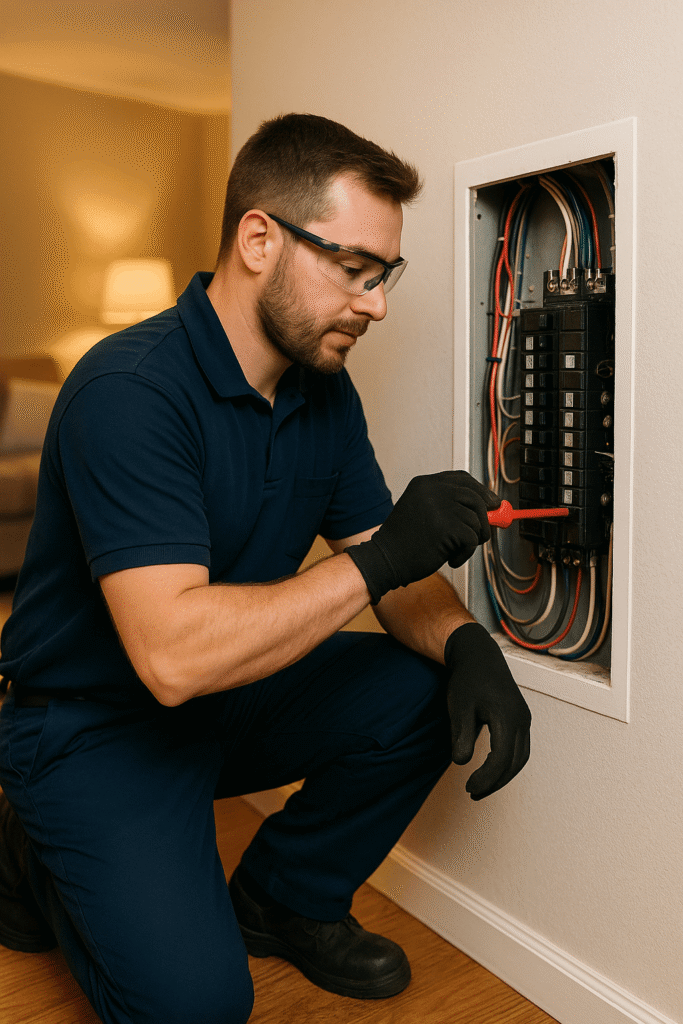
Electrician testing a circuit breaker panel in a home

Dimmer Compatibility

Some LED bulbs and dimmers do not work well together. The result can be flickering, buzzing or lights that will not dim smoothly.

Electrician checking circuit breakers in a large electrical panel

Connections and Wiring

A loose connection at the switch, the fixture or elsewhere on the circuit can cause intermittent power and heat. A wiring fault can also make a switch appear to fail.

Repair or Replace

How Switch Problems Are Corrected

Switch repair starts with a diagnosis. We check the switch, the light or device it controls, and the circuit before deciding what to change, because one symptom is rarely enough to pinpoint the cause.

When the switch itself has failed, it is usually replaced rather than taken apart, since most wall switches are not designed to be serviced inside. In other cases the fix is a loose or damaged connection, a cracked box or cover plate, or a problem at the fixture. Replacing a switch will not correct a fault somewhere else on the circuit, which is why the cause is confirmed first.

If a switch has overheated, the wiring and box around it are checked for heat damage too. When several switches or lights are acting up, or the cause is hard to find, electrical troubleshooting helps trace it.

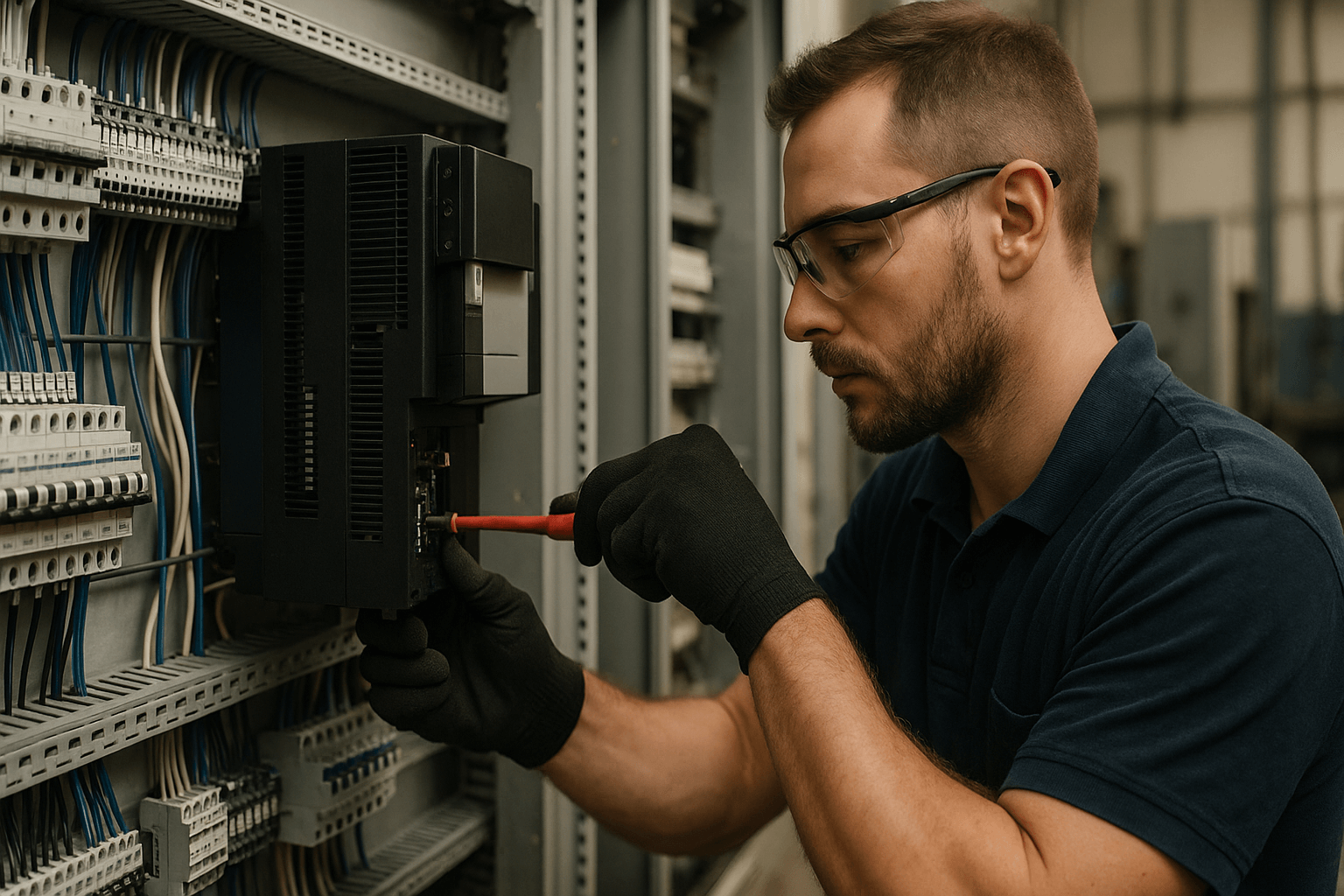
Electrician in a hard hat working inside an electrical panel
Smiling electrician wearing an orange hard hat

Dimmers and Three-Way Switches

Dimmers can wear out, become overloaded, or behave unpredictably with bulbs they were not designed for. A dimmer may feel slightly warm in normal use, but one that is hot to the touch, hums loudly, flickers or no longer dims fully should be checked. Sometimes the answer is a compatible dimmer, and sometimes it is the bulbs.

Three-way and four-way switches control one light from two or more places. When one location stops working, or the light only works with the switches in certain positions, the fault may be in either switch or in the wiring between them. These setups take careful checking because the problem is not always at the switch you are using.

Switch repair is not a DIY job. Removing a cover plate can expose live wiring, and a poorly made connection can overheat later. As a local electrician in Salt Lake City, we handle switch problems along with other electrical repairs around the home.

FAQs

Electrical Switch Repair FAQs

Common questions about light switches that stop working or act up.

It could be a worn switch, a loose connection, a problem with the light or fixture, or a tripped breaker. The switch and circuit need to be checked to know which.

Buzzing can come from a dimmer working with certain bulbs, but it can also point to a loose connection or a failing switch. If buzzing comes with heat, a burning smell or sparks, stop using the switch and have it checked.

It can, but flickering can also come from bulbs, fixtures, dimmer compatibility or loose connections elsewhere. One symptom is not enough to blame the switch.

Most failed switches are replaced rather than repaired. If the damage came from heat, the wiring and box are checked as well.

Common causes include bulbs that are not compatible with the dimmer, a dimmer that is overloaded or worn, or a loose connection. Checking the bulbs and the dimmer rating usually comes first.

Yes. Loose connections, damaged wires or a fault between multi-location switches can make a switch seem faulty. That is why the circuit is checked, not just the switch.

The type of switch, how many are involved, whether the cause is in the switch, fixture or wiring, and any heat damage found all affect the work. We give an estimate after assessing it.

Need Our Help

Request an Estimate for Electrical Switch Repair

Let us know which switch is causing trouble and what you have noticed, such as flickering, heat or buzzing. Call 385-290-3821 or email info@electriciansaltlakecityutpro.com.