Whole-Home Electrical Review

Home Electrical Inspections in Salt Lake City, UT

A home electrical inspection is a room-by-room review of a house’s electrical system for homeowners, homebuyers and residential property owners who want to understand its overall condition. We provide home electrical inspections in Salt Lake City, UT, covering the panel, circuits, outlets, switches and visible wiring, and we explain what may need repair, maintenance or upgrading over time.

Call 385-290-3821 to tell us about the home, or send us a message.

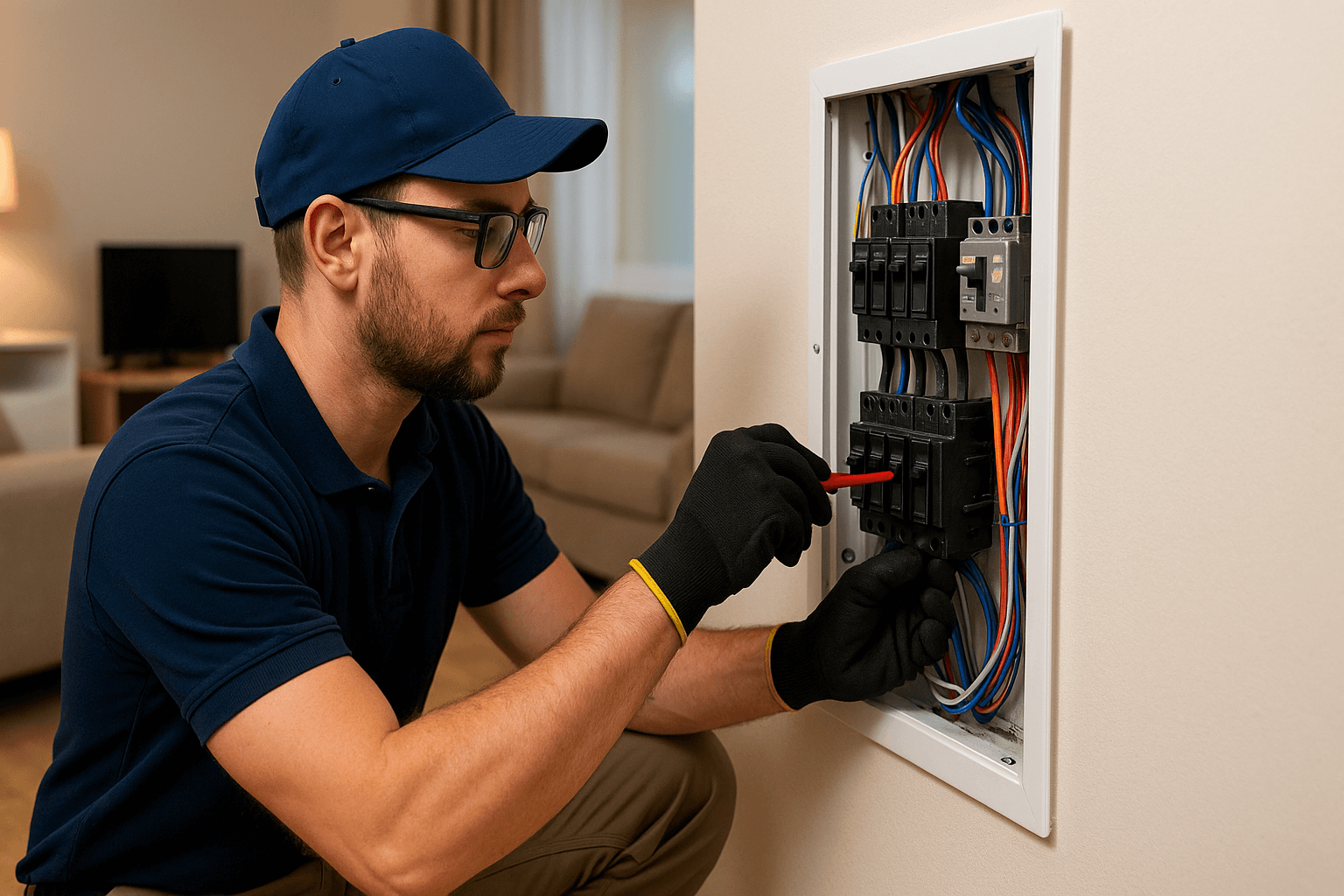
Electrician working on a residential breaker panel

Why Homeowners and Buyers Request One

Homeowners often ask for a home electrical inspection before a remodel, after buying a house, when adding major appliances, or because they simply do not know the condition of an older system. Homebuyers may want one during the purchase process to understand the electrical system in more depth than a general home inspection usually covers. Our article on getting an electrical inspection before buying a house explains when it can help.

A general home inspection looks at the whole house, from the roof to the plumbing, and usually includes a basic look at the electrical system. A home electrical inspection focuses only on the electrical system, so it goes further in that one area. It does not replace a general home inspection or an official municipal inspection. Read more about how a home electrical inspection differs from a general home inspection.

It is also different from an electrical safety inspection, which centers on a specific concern or warning sign. This service looks at the whole home’s electrical condition and its future needs.
What a Home Electrical Inspection Covers

We walk through the home and look at the parts of the system that can be safely reached.

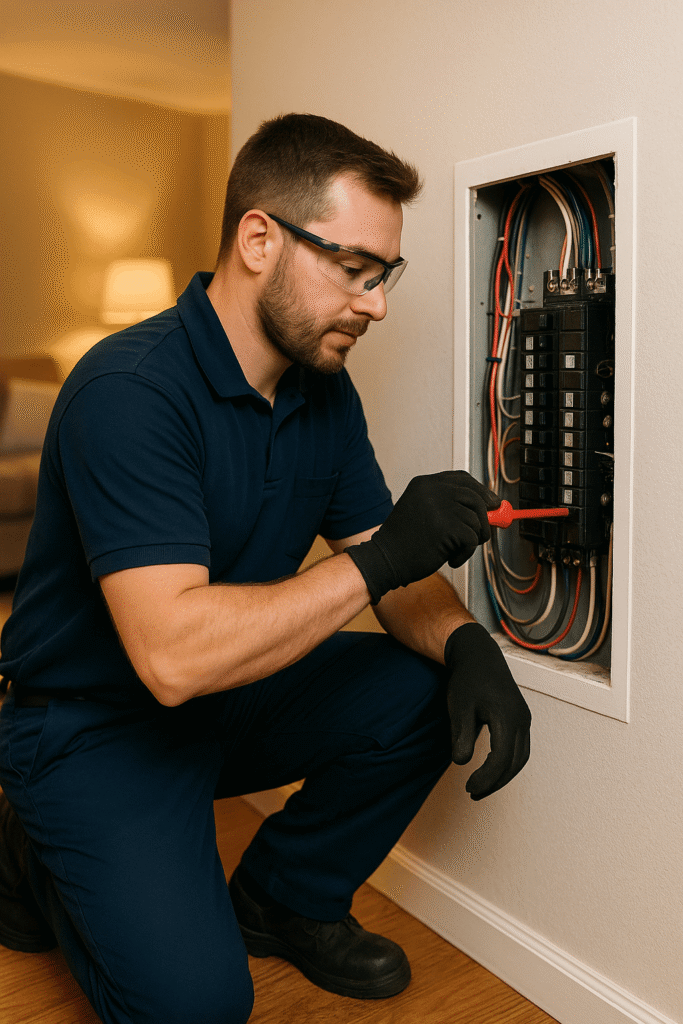
Electrician testing a circuit breaker panel in a home

Panel and Circuits

The panel type and condition, breaker or fuse labeling, signs of heat or corrosion, available space and how circuits are divided around the home.

Electrician working on wiring inside an electrical panel

Outlets, Switches and Fixtures

A sample or full check of outlets, switches and light fixtures, depending on the agreed scope, looking for damage, loose devices, missing covers and devices that do not work.

Electrician checking circuit breakers in a large electrical panel

Visible Wiring and Protection

Wiring in accessible areas such as basements, attics and garages, plus grounding, bonding, and GFCI and AFCI protection where they can be seen and tested.

Older Homes

Older Homes and Outdated Components

Many homes have electrical systems that reflect when they were built or last updated. In a 2003 home safety campaign, the U.S. Consumer Product Safety Commission advised having an electrical inspection for homes 40 years and older, and for homes 10 years and older with major renovations or new appliances added.

An older system is not automatically unsafe, and an older component does not automatically violate current code. Requirements change over time, and many older installations were acceptable when they were made. What matters is the condition of the system and whether it suits how the home is used today.

An inspection can identify things like outdated panels, ungrounded outlets, too few circuits for modern loads, or older wiring types that deserve a closer look. We describe these in more detail in common electrical problems in older homes. Not every older home needs rewiring, but where wiring is worn or unsuitable, electrical rewiring may be part of the recommendations.

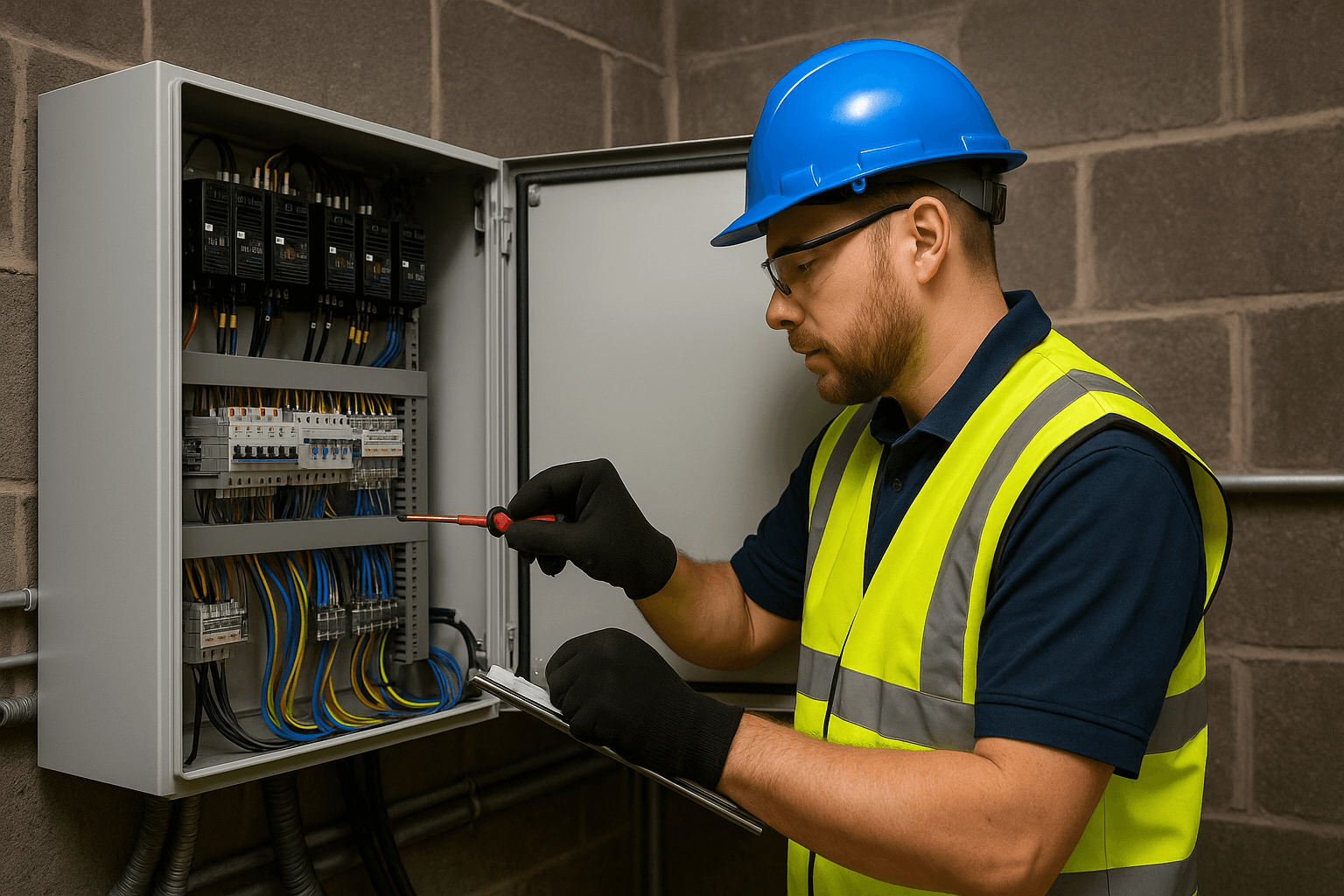
Electrician in a hard hat working inside an electrical panel
Smiling electrician wearing an orange hard hat

Understanding Your Findings

After the inspection, we walk you through what we found and sort it into urgent safety items, repairs to plan, and possible upgrades. This is an electrician’s evaluation with findings and recommendations. It is not an official inspection, a real estate certification, or a guarantee that a home will pass any other inspection.

Some findings point to larger work. A panel that is damaged, recalled or has no compatible parts may lead to a recommendation for electrical panel replacement. Others are small fixes that can be handled in one visit. We can estimate any recommended work so you can plan for it or factor it into a purchase decision.

No inspection can find every hidden defect, since much of a home’s wiring sits inside walls and ceilings. Home electrical inspections are part of the Salt Lake City electrical services we provide, and we tell you clearly what was and was not checked.

FAQs

Home Electrical Inspection FAQs

Questions homeowners and buyers often ask before booking.

It typically covers the panel and circuits, outlets, switches and fixtures, visible wiring in accessible areas, and grounding and protective devices. We confirm the scope before starting.

Many buyers find it useful, especially for older or renovated homes. Check your purchase contract timelines and talk with your real estate agent about how it fits the process.

Yes. A general home inspection covers the whole house at a basic level. A home electrical inspection looks only at the electrical system in more depth and does not replace a general inspection.

It can often identify older wiring types and components in accessible areas. Wiring hidden in walls may not be visible, so some findings call for further investigation.

Yes. The panel is a key part of the inspection, including its condition, labeling, signs of heat or corrosion and room for future needs.

We explain the problem, how urgent it is and the options for fixing it, and we can give an estimate for recommended repairs or upgrades.

The size and age of the home, the number of panels, access to attics, basements and crawl spaces, and how many devices are tested all affect it.

Need Our Help

Discuss a Home Electrical Inspection With Our Team

Tell us about the home, its approximate age and whether you own it or are buying it. Call 385-290-3821 or email info@electriciansaltlakecityutpro.com.