
Home Surge Protection in Daybreak UT

Home Surge Protection helps protect electrical systems from sudden voltage spikes. A lot of homeowners in Utah only think about surges after something stops working. A power surge can happen very fast, yet the damage can last a long time. It can impact appliances, electronics, switches, and other electrical parts of the home. That matters in Daybreak, where many homes depend on regular use of major appliances and devices. A strong surge may come from outside the home or from equipment inside the house. That is one reason Home Surge Protection is worth understanding before trouble starts. Most homes now have sensitive electronics that do not respond well to repeated surges. Even smaller surges can slowly shorten the life of household equipment. A smart protection plan can help lower that risk during normal daily use.

Some homeowners believe surges only happen during storms or large power events. That is not always the case, because normal home equipment can create smaller surges. Air conditioners, refrigerators, and other major appliances can affect power inside the home. Those small events may not destroy equipment right away, but they can still cause wear. That slow wear is easy to overlook until something fails sooner than expected. Modern homes often have televisions, routers, computers, chargers, and smart devices running every day. Those devices may be more sensitive than older equipment found in many homes. That is why more local residents ask practical questions about surge protection for the full home. Home Surge Protection in Daybreak often feels more useful once people understand these normal risks.

A good starting point is knowing that not all protection works the same way. Some homeowners depend only on plug in strips beside electronics. Those may help with certain electronics, but they do not protect the full house alone. Whole home surge protection is designed to protect the electrical system more broadly. That can be useful for larger appliances and hardwired systems in the home. A layered approach often works better than depending on only one method. That means reviewing the main panel, key devices, and daily use in the home. A basic review of the property can help show which setup makes the most sense. That type of planning often leads to stronger long term results in Daybreak.

electrician salt lake city ut pro

Whole Home Surge Protection in Daybreak UT

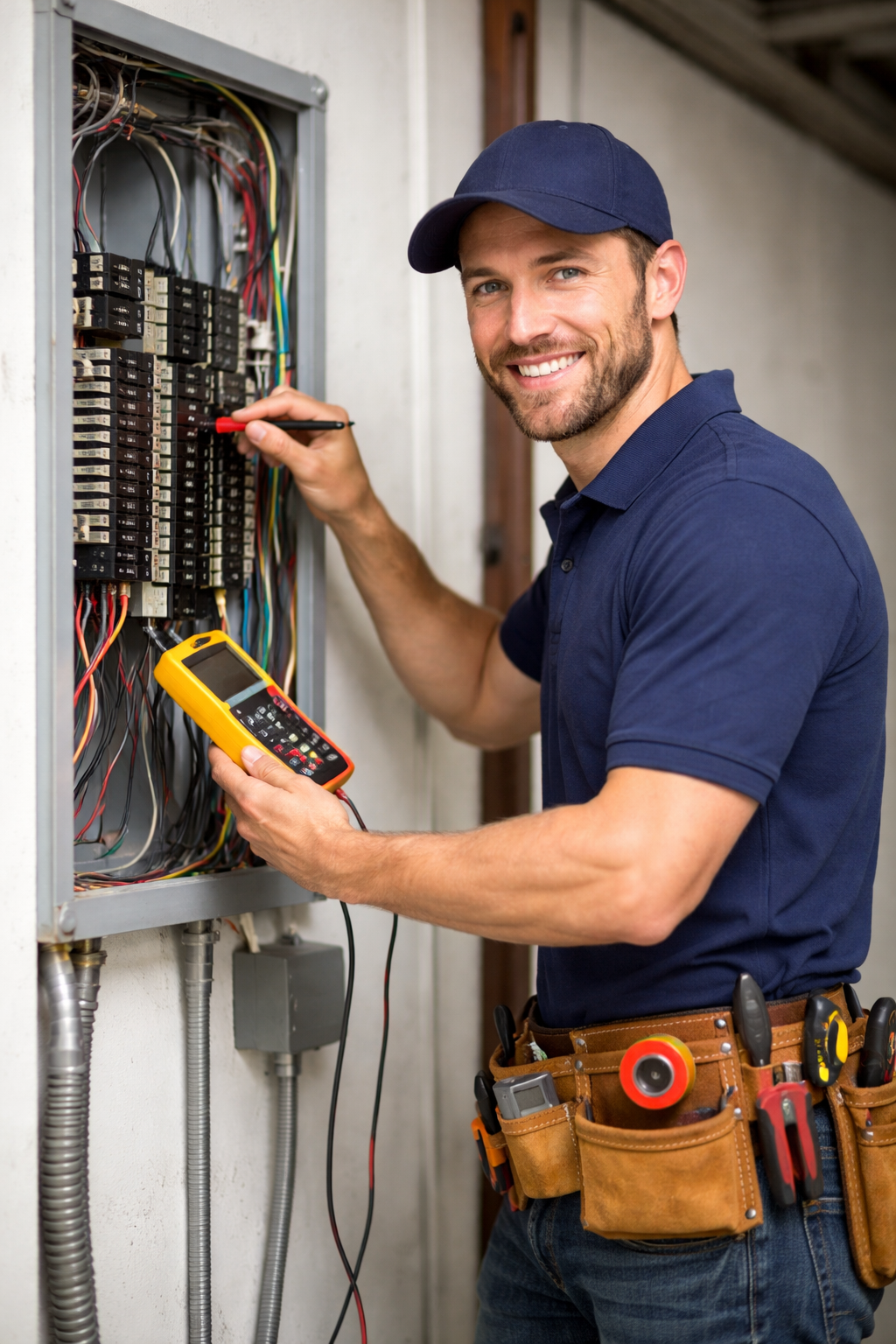
Whole Home Surge Protection in Daybreak UT should start with the full electrical system, not only a single outlet. A house runs on many linked electrical parts every day. The electrical panel, circuits, appliances, and electronics all connect through the same system. When a surge gets into that system, it can affect more than one room. That is why wider protection matters in many modern homes. A whole home protection unit is usually placed at the main panel area. Its job is to help control strong voltage spikes before they move farther into the home. That does not mean every device becomes immune to all electrical problems. It means the home has a stronger first line of protection against damaging surges. For many residents, that is a useful step worth understanding.

Many homeowners ask which items may benefit from this type of protection. Large appliances are one obvious group because they cost more to replace. Heating and cooling equipment can also matter because homes depend on it year round. Kitchen appliances, laundry machines, and garage systems can also be affected by surges. Many homes also use internet equipment, smart controls, and security devices every day. Those items may seem minor, yet they now play a big role in daily life. When several devices are connected across the home, broad protection becomes easier to understand. Homeowners in Daybreak often want protection that reaches beyond one room or one appliance. That is part of what makes whole home planning so useful. It gives homeowners a more complete way to view electrical protection.

Some homes may already show signs that better surge protection deserves attention. Frequently failing lights, early electronic failure, or odd device behavior can raise questions. Those signs do not always mean surges alone, but they should still be taken seriously. A full electrical review can help show if surge protection should be part of the plan. That review can also consider the panel age and the condition of the system. Older homes in Utah may have different electrical needs than newer construction. That does not mean an older home cannot be protected properly. It means the protection plan should match the property instead of using a rough guess. The right fit often matters more than selecting the biggest option on paper. That kind of honest approach usually serves homeowners better over time.

What Causes Power Surges in a Home

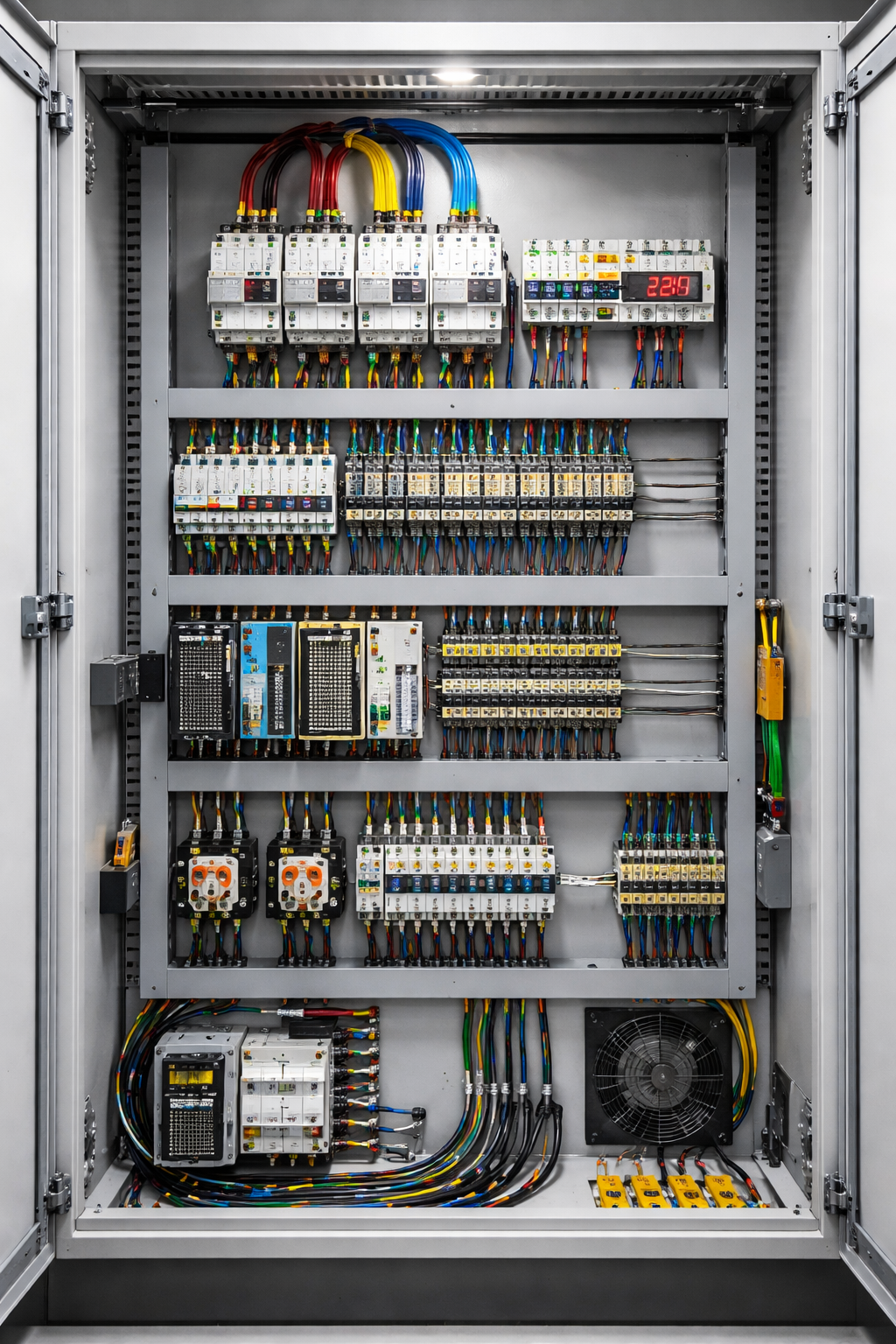
Power surges can come from more than one source around a property. Some start outside the house, while others begin with equipment already running inside. A major storm can raise the risk of a stronger surge in some situations. Power from the utility can also change during certain grid problems. Inside the house, major appliances can create smaller surges as they cycle on and off. That can happen with air conditioners, refrigerators, and similar home equipment. Those smaller surges are easy to miss because they happen during regular use. Even so, repeated small surges can still wear down equipment over time. That is one reason protection should not be thought of only during storms. It should be part of a wider plan for everyday electrical care.

Many people are surprised to learn how common smaller surges can be. A home does not need a major event for equipment wear to build over time. Each time a large motor starts, a shift in power can move through the system. That may not seem serious at one moment, but the pattern matters over time. Those changes may affect computers, televisions, smart appliances, and chargers. Modern electronics can respond differently than older basic devices. That is one reason even newer homes can still have surge concerns. More technology in the home often means more devices that need protection. People in Daybreak often ask these questions once more devices become part of daily life. That makes practical surge education useful for local homeowners.

It is also helpful to know that not all electrical trouble is caused by a surge. Some problems may come from old wiring, loose connections, or overloaded circuits. That is why a proper review matters when problems show up in the home. A review can help tell surge concerns apart from other electrical issues. That matters because the best fix depends on the true cause. A home with repeated breaker trips may need a broader electrical check. A home with damaged electronics may need surge protection added to the plan. The goal is to understand the home clearly instead of making a rough guess. That careful approach often helps reduce later stress and cost. It also helps create solutions that better fit homes in Utah.

Why Modern Homes Need Better Surge Protection

Modern homes use more electronics than homes did years ago. That change affects how people should think about electrical protection. A single room may now contain a television, streaming equipment, chargers, and smart devices. A kitchen may now include digital appliances and connected controls. A home office may depend on computers, internet gear, and backup power devices. Even basic heating and cooling systems now include more electronic parts than before. That means there are now more things in the home that can feel voltage issues. It also means early equipment failure can cost more than before. That is one reason Home Surge Protection matters more to many families today. It matches how modern households really live and use electricity.

People often ask if plug in strips are enough for a modern home. They can be helpful for some devices, but they have limits. They do not protect hardwired systems or the entire home. They also depend on where they are used and what is connected to them. That is why many residents consider broader protection at the main panel. A layered plan can still use plug in protection for sensitive electronics. The main point is that one method does not do every job. A whole home approach gives the house a broader level of protection. That often makes more sense as homes add more connected devices. It is a sensible response to how homes in Daybreak now use electricity.

Another reason modern protection matters is the cost of replacing equipment. A damaged appliance or system can cause more than one problem at the same time. There may be repair costs, replacement costs, and daily inconvenience. If heating or cooling equipment is affected, the issue can feel larger very fast. If internet equipment is damaged, school or work routines may also be affected. That is why many homeowners see surge protection as part of general home care. It is not only about one dramatic event or one expensive device. It is about lowering risk across many parts of daily life. That broad value often matters to households across Utah. It makes protection feel practical instead of overly technical or confusing.

Common Questions About Home Surge Protection

Many homeowners ask whether surge protection is only useful in storm season. The answer is no, because smaller surges can happen during normal daily use too. Storms can raise risk, but they are not the only source. Large appliances turning on and off can also affect electrical flow inside the house. That means protection may matter year round, not only during storms. It also means the value of surge protection is part of normal daily living. Families use electronics, appliances, and chargers each day. That daily use is one reason many homes benefit from better planning. A useful protection plan should reflect real life in the home. That is often the most useful way to look at this topic in Daybreak.

Another common question is whether old homes can still benefit from surge protection. Often the answer is yes, though the home electrical system should be checked first. Older homes may have different panel styles, wiring conditions, and circuit layouts. That means the property needs a plan that fits its real condition. A newer home is not the only kind of home that can benefit from better protection. Older homes also have valuable appliances and modern electronics worth protecting. The age of the property does not change the value of those items. It only changes how the protection plan should be designed. That is why a tailored local review matters a great deal. A good plan should match the home instead of forcing one idea everywhere.

Another question is whether whole home protection replaces all other protective methods. Usually, the better answer is to think in layers. A whole home unit can help at the panel level, which is a broad starting point. Plug in protection may still be useful for certain sensitive electronics. The exact setup depends on the home and the equipment being used. That is why a one size answer does not work very well here. The best setup often comes from looking at the property honestly. It should match the home, the equipment, and the way the household lives. That kind of clear planning usually leads to better long term results. It also helps residents in Daybreak feel more confident about the protection plan.

Choosing a Practical Home Surge Protection Plan in Daybreak

A practical protection plan begins with understanding the full home. That means looking at the main panel, the system age, and the devices used daily. It also includes the major appliances and hardwired systems inside the property. A household that depends on home office equipment may view protection differently. A family focused on heating, cooling, and kitchen appliances may view it another way. A good plan should follow those real household priorities. That is why general advice works best when it becomes specific to the home. A home in Daybreak should be reviewed based on layout and daily use. That kind of local planning usually leads to better long term results. It also helps avoid wasted effort on protection that does not fit the home.

It also helps to focus on lowering risk instead of expecting perfect results. No electrical device can promise that every problem will never occur. The practical goal is to lower risk and improve protection throughout the property. That is a useful and realistic way to think about this subject. People often trust solutions more when they are explained honestly. That means speaking clearly about the property, the equipment, and the limits of each method. A layered protection plan often makes sense for that reason. It gives the home broader protection without acting like one step solves everything. That kind of balanced thinking usually serves homeowners better over time. It also helps people in Utah make clearer choices about electrical safety.
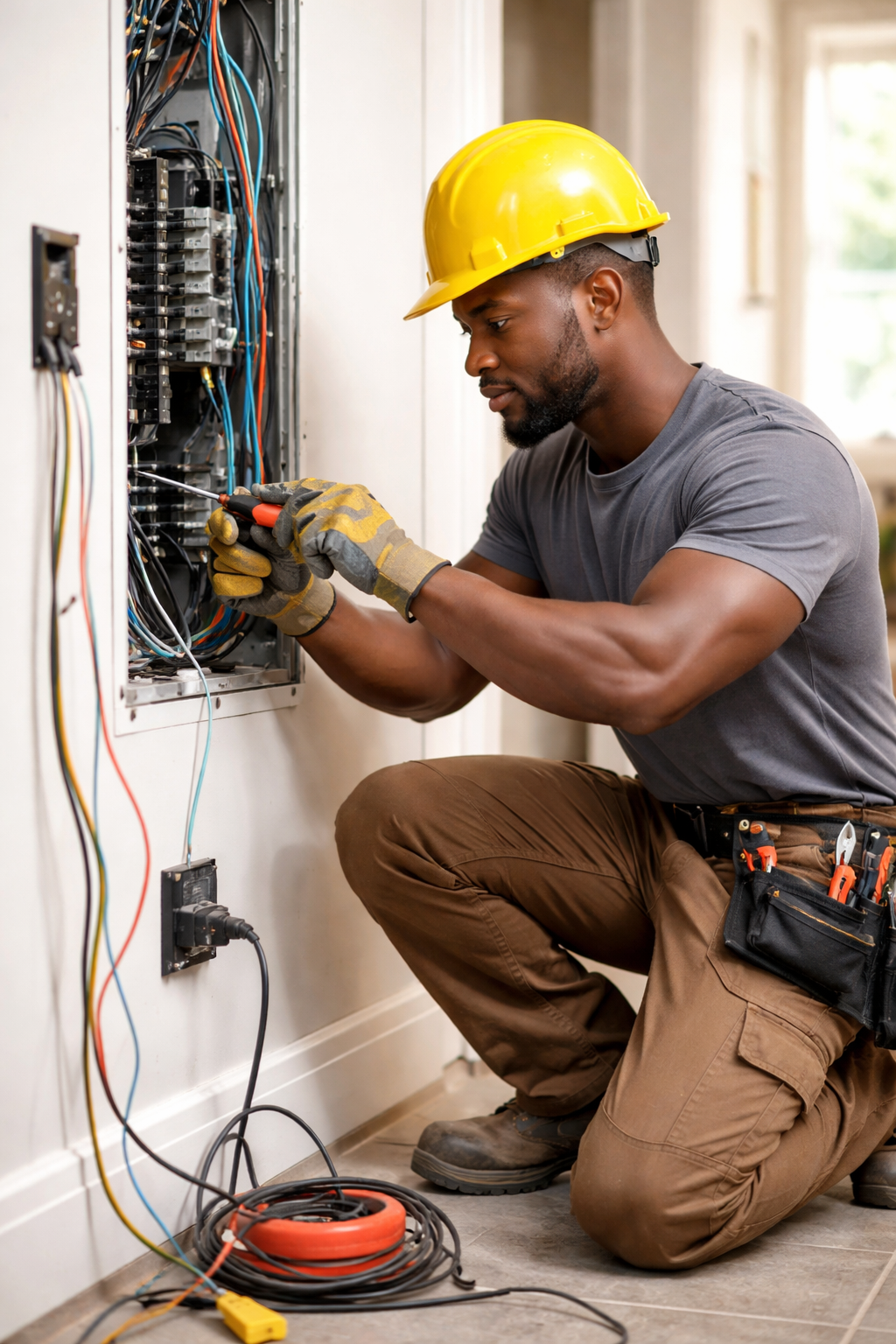
In the end, Home Surge Protection should support the way a home is actually used. It should help protect daily life, not just one expensive item. A strong plan should consider appliances, electronics, hardwired systems, and the main panel. It should also fit the home design and the age of the house. That matters in Utah, where homes can face different weather and usage patterns during the year. Homeowners in Daybreak often want clear protection that feels practical and easy to understand. They want a plan that fits daily life, not just technical words. That is one reason honest planning and clear review matter so much. When the plan fits the home well, the results usually hold up better over time. That is the kind of useful result many residents hope to achieve in Daybreak.

Need Our Help

Get in Touch