
Whole Home Surge Protection in Syracuse UT
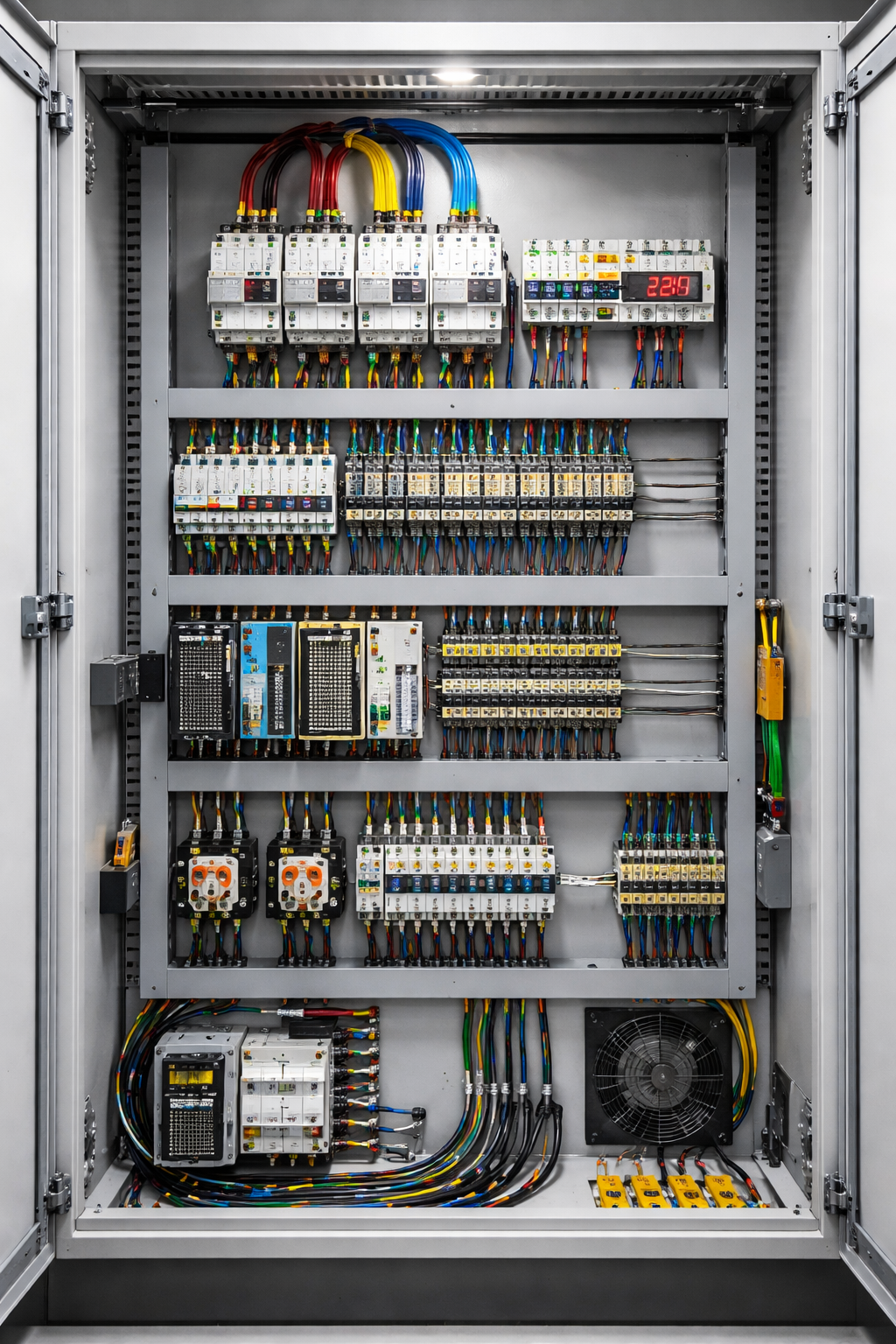
Whole Home Surge Protection in Syracuse UT should focus on the overall electrical system, not just one plug. A house runs on many linked electrical parts every day. The panel, circuits, major appliances, and electronics all use the same home system. When a surge gets into that system, it can affect more than one room. That is why full home protection matters for many homes today. A whole home protection unit is usually placed at the main panel area. Its job is to help control strong voltage spikes before they move farther into the home. That still does not mean all devices are safe from every possible issue. It means the property has a better first line of defense against damaging surges. For many homeowners, that is a practical step worth learning about.
Many homeowners ask which items may benefit from this type of protection. Large appliances are one obvious example because replacement can cost more. Heating and cooling equipment can also matter because homes depend on it year round. Kitchen appliances, laundry machines, and garage systems can also be affected by surges. Modern homes also depend on internet equipment, smart controls, and security systems. Those items may seem minor, yet they now play a big role in daily life. When many devices are connected around the home, broad protection makes more sense. Homeowners in Syracuse often want protection that reaches beyond one room or one appliance. That is part of what makes whole home planning so useful. It gives people a more complete way to think about electrical protection.
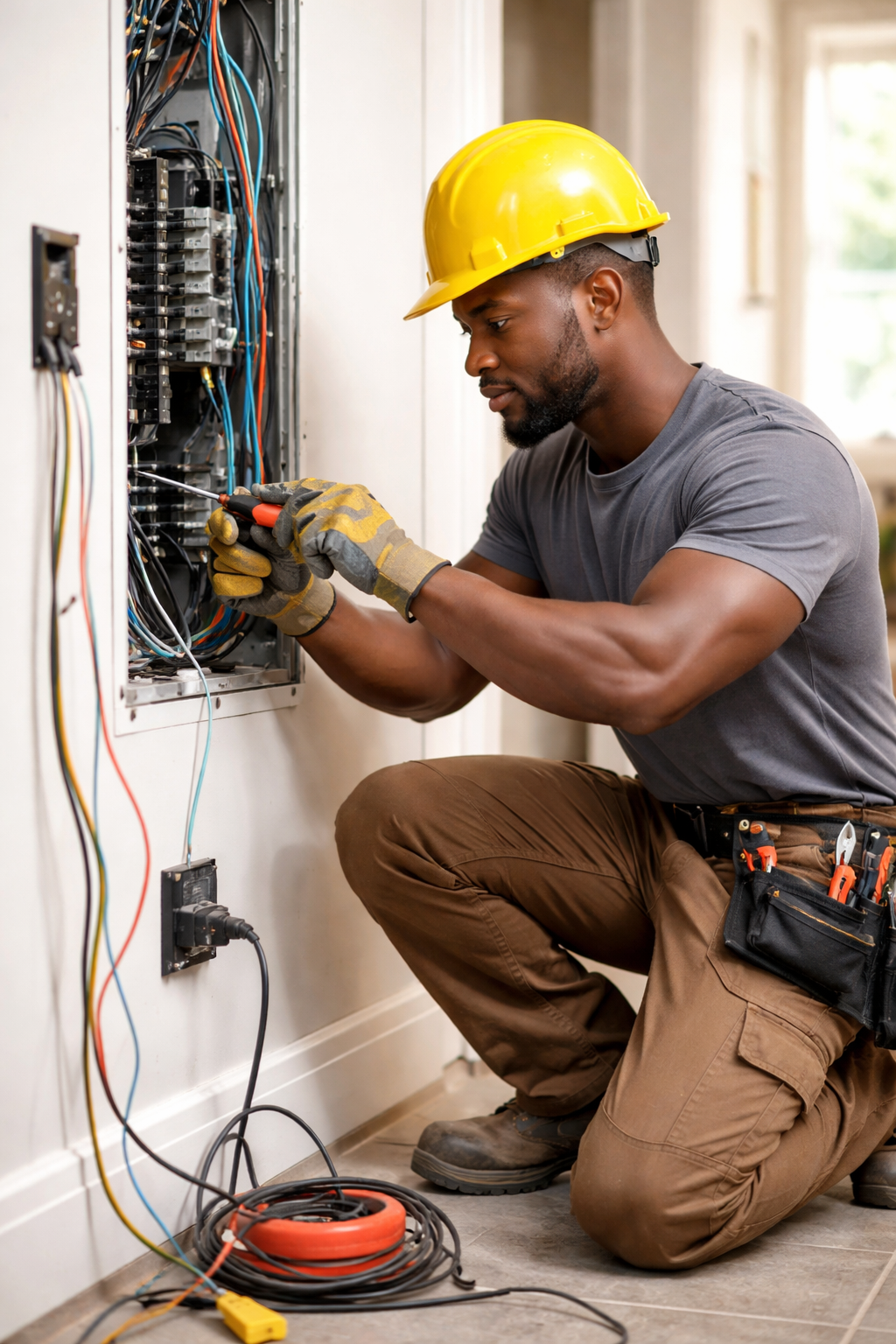
Some homes may already show signs that better surge protection deserves attention. Lights that burn out often, devices that fail early, or odd behavior can raise concerns. Those signs do not always mean surges alone, but they should still be taken seriously. A full electrical review can help show if surge protection should be part of the plan. That review can also consider the panel age and the condition of the system. Older homes in Utah may have different electrical needs than newer construction. That does not mean older homes cannot have good protection. It means the protection plan should match the property instead of using a rough guess. A proper fit often matters more than picking the strongest option on paper. That kind of straightforward approach usually helps homeowners more over time.