

Security Lighting Installation in Kaysville UT

Security Lighting Installation helps property owners improve safety around a home or building. Good lighting can make entry areas easier to see at night. It can also help reduce hidden spots near doors. Many properties in Utah benefit from stronger lighting near walkways. Older fixtures may be dim, worn, or placed in the wrong spot. A better plan can improve sight lines without making the property feel too bright. This kind of project is not only about adding more light. It is also about placement, coverage, and how the fixtures operate. A thoughtful layout helps the lights remain useful every evening.

Many people first think about this service after dealing with a dark yard. They may have trouble seeing the driveway, gate, or side of the house. Some also notice hidden corners, uneven ground, or hard to see steps. Those are common reasons to review outdoor lighting. A porch light alone often does not cover the full property well. Back areas, side paths, and detached structures may remain poorly lit. A better layout places light where people truly move and use the space. That helps the home feel easier to use after sunset. It can also make simple evening tasks feel more comfortable.

Homeowners also look for Security Lighting Installation in Kaysville when they want clear advice about safer outdoor lighting. They often want to know where fixtures belong and which spots need coverage first. That often depends on the shape of the home and the way the yard is used. Front doors, garage areas, and side access points are common first areas. Back patios and walkways also matter on many properties. A good plan looks at how people move around the space each day. It should also look at where darkness gathers after sunset. That helps produce lighting that feels helpful rather than scattered. Good placement often matters more than simply adding extra lights.

electrician salt lake city ut pro

Outdoor Security Lighting Installation in Kaysville UT

A good outdoor lighting plan starts by studying the property layout carefully. Every property has different corners, access points, and walking areas. That means one lighting layout will not work for every home. A long driveway may need wider coverage than a small front walk. A home on a corner lot may need coverage in more open areas. Back yards with fencing, sheds, or gates may also need added planning. The main goal is to cover used areas and reduce dark sections around the property. That helps support safer movement around the home at night. It also helps the final lighting feel even and well planned.

One common mistake is putting all the light near the front door. That can leave side yards and rear spaces with very little light. Another mistake is using fixtures that are too bright for the space. Very strong light can cause glare and create darker shadows around it. That can actually make sight lines worse in certain areas. A better approach is to use steady coverage across key zones. That usually gives better visibility near paths, doors, and working areas. It can also make the yard feel calmer and more natural. Good Security Lighting Installation depends on balance as much as brightness.

Another part of the plan is choosing how the lights will turn on. Some homeowners prefer switches for full manual control. Others prefer motion sensors near entries, garages, or side access areas. Timer settings can also work well for regular evening use. Each option has strengths depending on the property and daily habits. A motion fixture may work well in a side yard with limited use. A constant light may be more useful near steps or a front entrance. The right choice should support both visibility and ease of use. That is why the control plan matters just as much as the fixture choice.
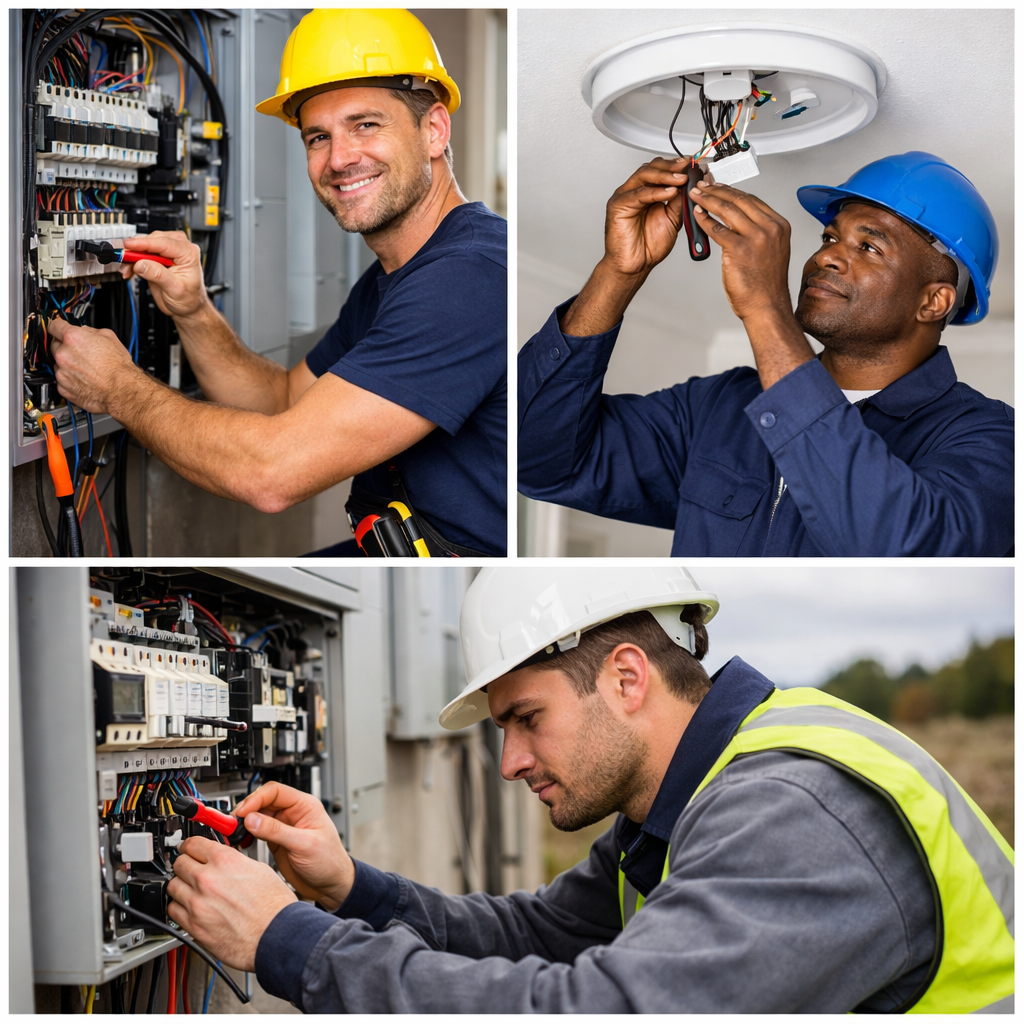
Best Places to Add Security Lighting Around a Property

Front doors are one of the first places most properties need better light. These are daily use areas, so clear visibility matters a great deal. Guests, deliveries, and evening arrivals also happen there very often. A dim entry can make the space feel harder to use after dark. A light near the front door should cover the lock, steps, and walking path. That helps people move safely and see details more easily. It can also improve what people inside the home can see outside. Many Utah homes have porches that benefit from wider light spread. That makes the front entry feel easier to use each night.

Garage areas and driveways are also very common places for added lighting. Many people return home after sunset during the colder parts of the year. A dark driveway can make parking and walking less comfortable. Garage side doors also need clear light in many homes. A fixture placed too high or too low may miss the target area. That is why fixture angle and beam spread matter during layout planning. The goal is to light vehicles, walking areas, and nearby access points. That helps make arrivals and departures feel easier and safer. A properly lit driveway often improves evening routines more than expected.

Backyards, side yards, and gates are often ignored until a problem appears. These areas may be used for pets, bins, storage access, or short evening trips. They can also include fences, trees, and narrow walking paths. Those features can create shadows that cover objects or uneven ground. A smart lighting layout helps reduce those darker zones. Smaller fixtures can work very well in tighter side areas. Wider backyards may need broader light from more than one point. The right setup depends on the size and shape of the property. Good coverage in these areas can make the whole property easier to use.

Common Lighting Options and How They Work

Many property owners ask which kinds of fixtures work best outside. The answer usually depends on the area, the purpose, and the needed coverage. Wall mounted fixtures are common near doors and garages. Flood fixtures can cover wider sections of the yard with more spread. Pathway fixtures may fit sidewalks, garden borders, and short walking routes. Each fixture style serves a different role around the property. Some properties use one fixture type, while others combine several kinds. A thoughtful mix often works better than one strong fixture by itself. The best layout should match the property instead of following a fixed pattern.

Motion activated lights are popular for many good reasons. They may reduce power use when steady lighting is not necessary. They also turn on when someone approaches a door, path, or side yard. That can help near garages, storage areas, and side entrances. Still, motion lights should be aimed and adjusted with care. A weak sensor setup may activate too often or miss real movement. That can quickly become annoying for the people living there. A proper setup should respond in a clear and dependable manner. That helps the fixtures remain helpful instead of bothersome.

LED fixtures are also widely used in modern outdoor lighting plans. They often last longer and use less power than older lighting options. That can help reduce upkeep over time. Many LED fixtures also provide clear light for paths and work areas. Some offer warm light, while others provide a cooler tone. The best light tone depends on both function and overall appearance. A driveway may need a different lighting feel than a rear sitting area. That is why the fixture choice should support both safety and comfort. Careful planning helps the home feel practical without feeling overly bright.

Questions Homeowners Ask Before Installing Outdoor Lighting

Many homeowners ask how much lighting their property really needs. That depends on the property size and how the outdoor space is used. Some properties only need several well placed lights. Others need broader coverage because of long paths or larger yards. The purpose is not to flood the entire lot with light. The goal is to improve visibility in the places that matter most. That usually means doors, paths, driveways, and used outdoor zones. A smart plan focuses on use first and brightness second. That often leads to a more useful and natural looking outcome.

Another common question is whether brighter lighting always means better security. Often, the answer is no. Very harsh lighting can create glare and make some areas harder to read. It may also make the outdoor space feel less pleasant in the evening. Balanced coverage often works better than one very harsh light. It helps people see surfaces, doors, and walking routes more clearly. It also supports a more even look across the property. That may be more practical for evening use and daily routines. Good Security Lighting Installation is usually about smart coverage, not just more power.

People also ask how lighting can fit the look of the home. That is a fair concern because outdoor fixtures stay visible all year. A helpful lighting fixture should still suit the style of the home. Some homes look better with simple modern lights. Others may suit traditional shapes and softer finishes. The light should also fit the mounting spot and the job it must do. A front entry may need a different design than a side gate. That is why function and appearance should be reviewed together. A well chosen light can support both safety and the look of the home.

Long Term Value of a Well Planned Lighting Setup

A well designed outdoor lighting setup can help daily life for a long time. Homeowners rely on outdoor lighting through every season and many weather changes. That is especially true during long winter evenings in Utah. When fixtures are placed carefully, they tend to stay useful over time. They help people reach doors, driveways, bins, and paths more safely. They also support more comfortable use of patios and yard spaces. That brings real value to normal evening routines around the property. A strong layout often feels helpful every single night. That is one reason careful planning matters from the start.

Good lighting can also make future updates easier to manage. A homeowner may want to add more fixtures near a shed or fence later. That becomes easier when the original plan allowed room for future changes. It is helpful to consider how the outdoor space may change over time. A family may add a patio, gate, or garden path later. Those updates can change which outdoor areas need stronger lighting. Early planning can make later updates simpler and cleaner. That helps the whole lighting layout remain organized through the years. A little extra thought early on often supports better long term results.

Security Lighting Installation also helps people understand their property better at night. It becomes easier to notice which areas stay busy and which stay too dark. That can guide future changes to paths, gates, or outdoor use. It can also help homeowners spot weak fixtures before they fail. A weak beam, flicker, or poor motion response should always be noticed early. Minor fixture issues can become larger problems when ignored. A thoughtful system can make those warning signs easier to catch. That helps keep the property more usable and safer over time. The lasting value comes from lighting that stays simple, clear, and dependable.

Need Our Help

Get in Touch