Smart Home Wiring in Parleys Canyon UT

Smart Home Wiring helps modern devices work safely and smoothly inside a home. Many families want better control over lighting, door locks, security cameras, and thermostats. This kind of wiring connects smart features in a way that supports daily use. It can also lower issues caused by unstable signals or poor equipment placement. A proper setup matters because smart technology still needs safe electrical support. Careful planning helps each smart device connect better and work more reliably. That matters in older homes and newer homes across Utah. Some properties need minor updates, while others need broader wiring improvements. Clear planning from the start helps the system stay useful for years.

Many people first ask about smart wiring when they buy new devices. They may add a video doorbell, smart switch, or connected speaker. Soon after, they may want those devices to connect and respond together. That is where proper wiring becomes very helpful. A properly wired home can support more smart features with fewer daily problems. It can also make later upgrades easier to plan and install. Most smart systems depend on stable power, safe circuits, and dependable connections. When any part of that setup is weak, the system may not work well. That is why Smart Home Wiring should be seen as a home system, not just a device add-on.

People also search for Smart Home Wiring in Parleys Canyon because they want better daily comfort. They may want lights to turn on at set times or doors to lock from a phone. Some want better safety through cameras, sensors, and motion alerts. Some only want easier control of music, indoor temperature, and basic routines. Whatever the goal may be, the wiring should fit the home’s size and design. A rushed install may seem fine at first, but issues often show up later. Wires may be overloaded, devices may lose connection, or controls may become confusing. A smarter plan keeps the setup simple, safe, and easier to expand later. That gives homeowners more value from the system they use every day.

electrician salt lake city ut pro

Reliable Smart Home Wiring in Parleys Canyon UT

Smart features work best when the wiring plan begins before too many devices are added. A good plan helps place switches, hubs, sensors, and outlets in useful spots. It also shows where power access is weak or connections may not stay stable. That matters because smart devices often spread across many rooms. Bedrooms, kitchens, garages, and hallways may all need different electrical support. Exterior spaces may need weather-rated parts and safer wiring routes. A full layout should consider current needs and likely future upgrades. That helps homeowners add devices later without starting over. Careful planning often saves time, money, and daily frustration later on.

One common mistake is assuming wireless devices do not need strong wiring support. Many smart tools still need reliable power and safe circuit design. A smart switch, for example, may need a neutral wire to work correctly. Some older houses do not include that wire in each switch location. That can limit which products will work well in the space. Doorbells, hubs, and cameras also need the correct power supply. If power is uneven, the device may reboot or fail to respond. That can create daily annoyance and reduce trust in the system. Proper Smart Home Wiring helps stop those issues before they start.

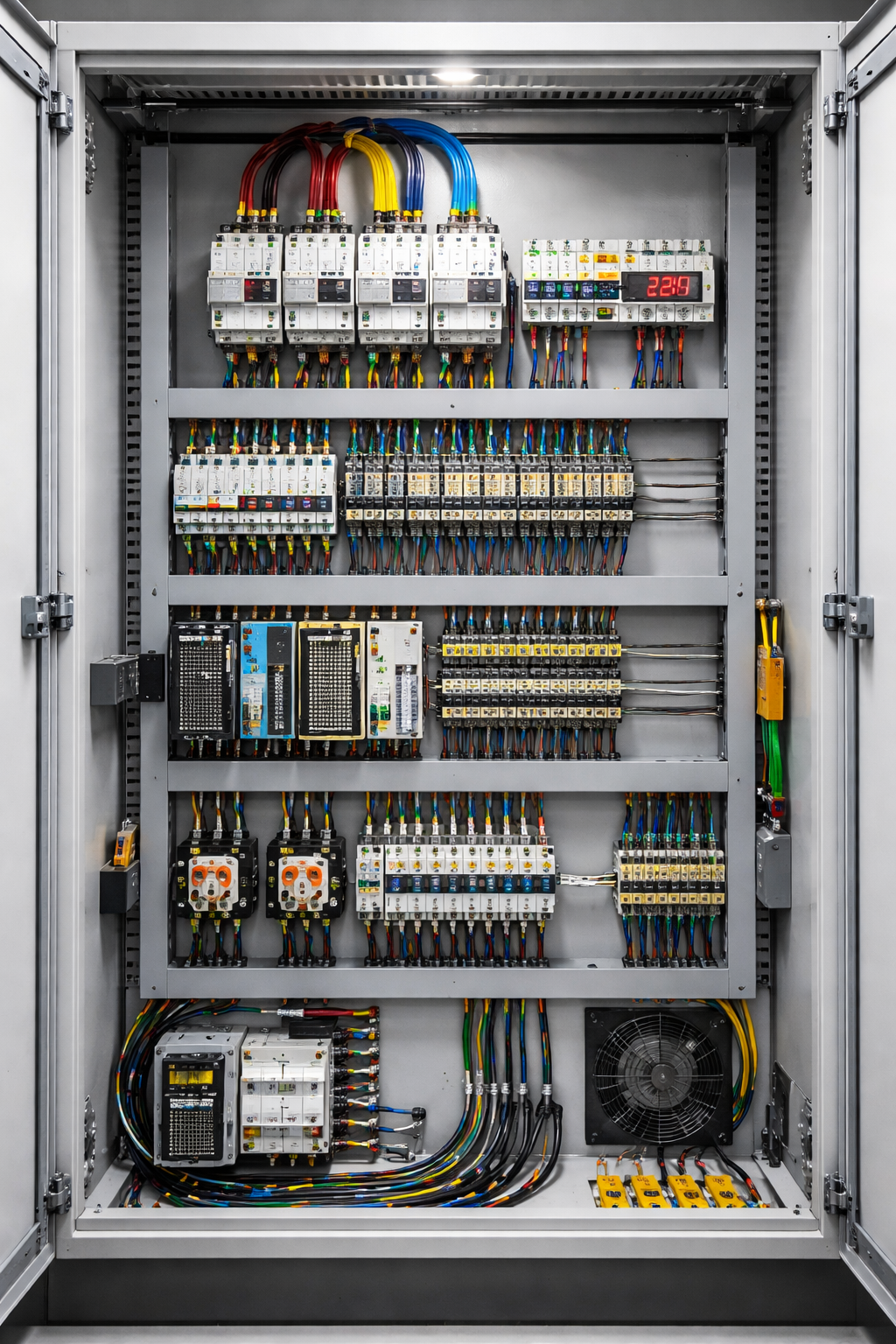
Another common issue is poor device placement during early setup. A control hub placed behind dense walls may lose contact with devices. A camera placed in a useful spot may still lack safe power access. A smart panel may also need space for clean wire routing. When device placement and wiring are planned together, results are usually better. It becomes easier to support steady signals and safer electrical routing. That also helps the home look more finished and less cluttered. Loose cords and quick fixes often make a smart setup feel unfinished. A neat wiring plan supports both function and daily comfort.
How Smart Systems Fit Different Types of Homes

Each home tends to use smart technology a little differently. A small home may only need smart lights, a doorbell, and a thermostat. A bigger property may need cameras, locks, speakers, sensors, and wall controls. The wiring plan should match those actual household needs. A modest setup should remain easy to use and easy to maintain. A broader setup should stay organized even as more devices are installed. That means planning for room use, family habits, and future changes. Homes with children, guests, or rental use may need simpler controls. A useful smart system should match the way the home is really lived in.

Older houses often need more planning before smart systems are installed. The walls may hide older wiring methods or limited switch box space. Certain rooms may not have enough receptacles for current smart devices. That does not mean the house cannot handle smart improvements. It often means the project should start with a careful wiring review. Several focused updates may improve daily use a great deal. Newer boxes, safer circuits, and cleaner connections can help a lot. That often gives connected devices a steadier foundation. A better base often supports stronger long term results.

Even newer homes can benefit from more thoughtful smart wiring design. A newer house may have more outlets, but layout still matters a lot. A device may be near power but far from the most useful location. A family may also add more equipment than the builder expected. That can quickly affect hallways, entryways, and entertainment areas. A little planning can make the setup feel much more natural. It can also help keep controls simple for everyone who lives there. That matters when several people use the same smart devices every day. A home works better when the smart setup feels clear and predictable.

Common Questions Homeowners Ask About Smart Wiring

Many homeowners ask if they need to rewire the whole house for smart upgrades. For many homes, the answer is no. Some properties only need targeted changes in important areas. A smart doorbell, a few switches, and one hub may need only light changes. Bigger systems may need more planning and broader circuit support. The real answer depends on the home’s age and present wiring condition. It also depends on the number of smart devices being planned. That is why each home should be viewed on its own. A clear plan based on the actual home usually gives the best results.

Another common question is what happens when internet service stops working. The answer depends on the device type and how the system is configured. Some devices can still work through local control and in-home wiring. Others depend more on cloud service and phone app access. That is one reason early planning matters so much. A family may want key functions to continue during service interruptions. Lights, locks, and simple controls are often among the top priorities. Good wiring support can help those functions remain more dependable. That gives the system more value during normal use and rough days.

Homeowners also ask whether smart wiring can support energy savings. In many cases, it can help if the system is used in a careful way. Timed lighting, smart thermostats, and room controls may cut unnecessary use. Motion sensors may also help lights turn off when spaces are empty. Still, the biggest benefit is often better control, not just lower bills. A home that is easier to manage often feels calmer and more efficient. That can help both busy families and older homeowners. The strongest results usually come when smart features match daily routines. Good wiring support helps those routines work more smoothly.

Wiring Choices That Support Daily Convenience

A smart home feels better when the wiring layout supports everyday habits. That may include switch locations, outlet spacing, and control points in busy areas. Entry doors, kitchens, hallways, and bedrooms often need different types of access. A household may want simple controls for night lighting and early day routines. That sort of layout can make the setup easier for the whole home. It also helps guests understand the basic controls more quickly. When controls are placed well, people tend to use them more confidently. That makes the investment more useful during normal daily life. A clear wiring layout supports comfort without making the home feel complicated.

Lighting is often the first place where smart wiring makes daily life easier. Homeowners often want dimming, timed lighting, motion response, and grouped controls. Those features work best when the switch boxes and circuits are planned correctly. A smart switch in the wrong spot may feel awkward every day. Too many app-only controls can also frustrate some users. That is why physical controls still play a big role in smart homes. A useful system balances mobile access with easy room control. That balance often makes the setup more comfortable for all ages. Good wiring helps those controls stay reliable in every room.

Convenience also depends on how easy the system is to expand later. A homeowner may start with lights and later add shades, speakers, or sensors. If the original wiring plan was too small, later upgrades may be more difficult. That can lead to patchwork fixes and messy added parts. Planning for growth helps avoid that problem from the start. Added capacity, useful control spots, and cleaner access can help greatly. Those simple details make later upgrades easier to manage. They also help the whole system stay neat and understandable. A connected home should grow more useful over time, not more confusing.

Safety, Planning, and Long Term Use

Safety should stay at the center of every smart wiring plan. Connected devices may seem simple, but they still rely on the home’s electrical system. That means circuits, wire paths, and device loads still matter greatly. A weak connection behind a smart device can still create trouble. An overloaded breaker can still shut down several smart devices together. That is why safe electrical work matters as much as the technology itself. A good smart home should be both convenient and dependable. That balance often begins with sound wiring decisions. When safety guides the project, the system often works better for years.

Planning for future use is also a wise step. Many people start with only a few smart devices and add more later. They may later add leak sensors, outdoor cameras, or more room controls. A house planned for growth can adjust more easily as needs change. That may include extra capacity, better switch locations, or cleaner access points. Those details may look minor early on, but they matter later. They can reduce rework and make new devices easier to add. That helps families keep the setup orderly instead of patching it piece by piece. Some early planning often leads to better long term results.

Smart Home Wiring can also help homeowners understand their house more clearly. People often learn where power is strongest and where upgrades may help most. That understanding can help with future repairs, remodel work, and smart device planning. It can also help people spot small warning signs sooner. Flickering lights, dropped connections, or warm devices should not be ignored. A house often performs better when those issues are handled early. That lowers stress and helps the smart system stay dependable. Over the years, good wiring and simple controls can make daily routines easier. That is the real value of a smart home setup built on solid wiring.

Need Our Help

Get in Touch