Surge Protective Devices

Whole-House Surge Protection in Salt Lake City, UT

Whole-house surge protection uses a surge protective device, or SPD, at your electrical panel or service to help limit voltage spikes before they spread through the circuits in your home. We install whole-house surge protection for homes in Salt Lake City, UT, starting with a check of your panel, grounding and bonding so the device suits your electrical system. It reduces the risk from certain surges, but it does not stop every kind of electrical damage. Our article on whether whole-house surge protection is worth it can help you weigh the decision.

Call 385-290-3821 to talk about protecting your home’s equipment, or send us a message.

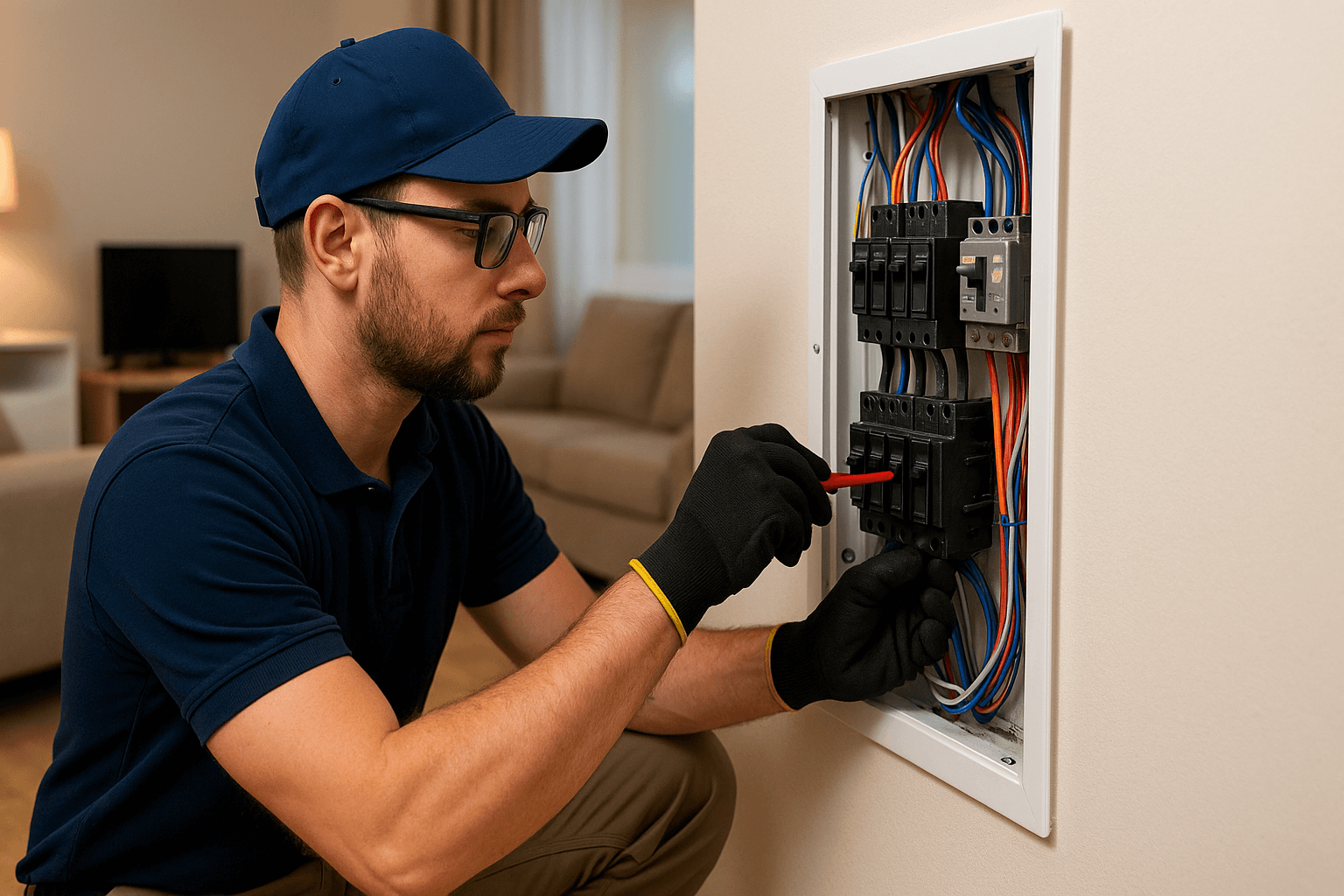
Electrician working on a residential breaker panel

What a Whole-House Surge Protector Does

A surge is a brief spike in voltage, often called a transient overvoltage. Surges can come from outside the home, such as utility switching or nearby lightning, or from inside when large motors and appliances cycle on and off. Many are small, but repeated or larger surges can stress electronics and appliance control boards.

A whole-house SPD sits at the panel or service equipment and diverts part of a surge’s energy to ground. Because it is at the start of the system, it can help reduce surges on every circuit instead of at one outlet. How much it helps depends on the device, how it is installed, the grounding system and the size and source of the surge.

No surge protector stops every surge. A very close or direct lightning strike can overwhelm protective devices, and surges can also enter through cable, phone or data lines that never pass through the power panel. Read more about how a whole-house surge protector handles lightning.
Types of Surge Protection

Whole-house devices and point-of-use protectors are meant to work together as layers rather than as substitutes.

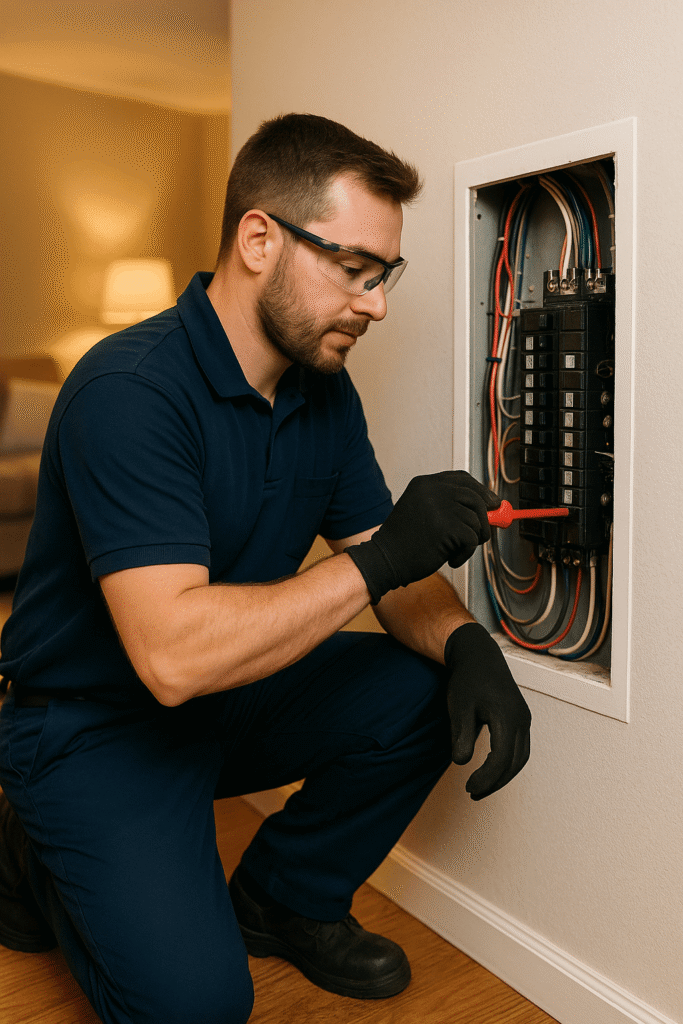
Electrician testing a circuit breaker panel in a home

Type 1 Devices

Type 1 SPDs are designed for the service entrance and can be installed ahead of the main disconnect where permitted. Not every home or service setup calls for one.

Electrician working on wiring inside an electrical panel

Type 2 Devices

Type 2 SPDs are a common choice for homes and are typically installed at the main panel after the main breaker. The device has to be compatible with the panel.

Electrician checking circuit breakers in a large electrical panel

Plug-In Surge Protectors

Point-of-use protectors add a second layer at sensitive electronics like computers, TVs and networking equipment. A whole-house device does not replace them. Our article on whole-house surge protectors versus power strips explains the difference.

Layered Protection

Whole-House Protection and Plug-In Protectors

A whole-house surge protector reduces the size of surges entering the home’s wiring, while plug-in protectors deal with what remains at the device. Using both gives sensitive equipment more than one layer of protection. Rocky Mountain Power’s outage preparedness guidance also recommends protecting electronics like TVs and computers with surge protectors and unplugging them when the power goes out.

Type 1 and Type 2 devices are not interchangeable, and not every panel accepts the same SPD. Some panels take a breaker-style surge protector made for that panel, while others need a separately mounted device. Panel condition, available space and the manufacturer’s listing all affect what can be installed.

Surge protection also depends on the rest of the electrical system. It does not replace proper grounding and bonding, circuit breakers, or GFCI and AFCI protection. If the panel itself has problems, electrical panel repair may be needed first.

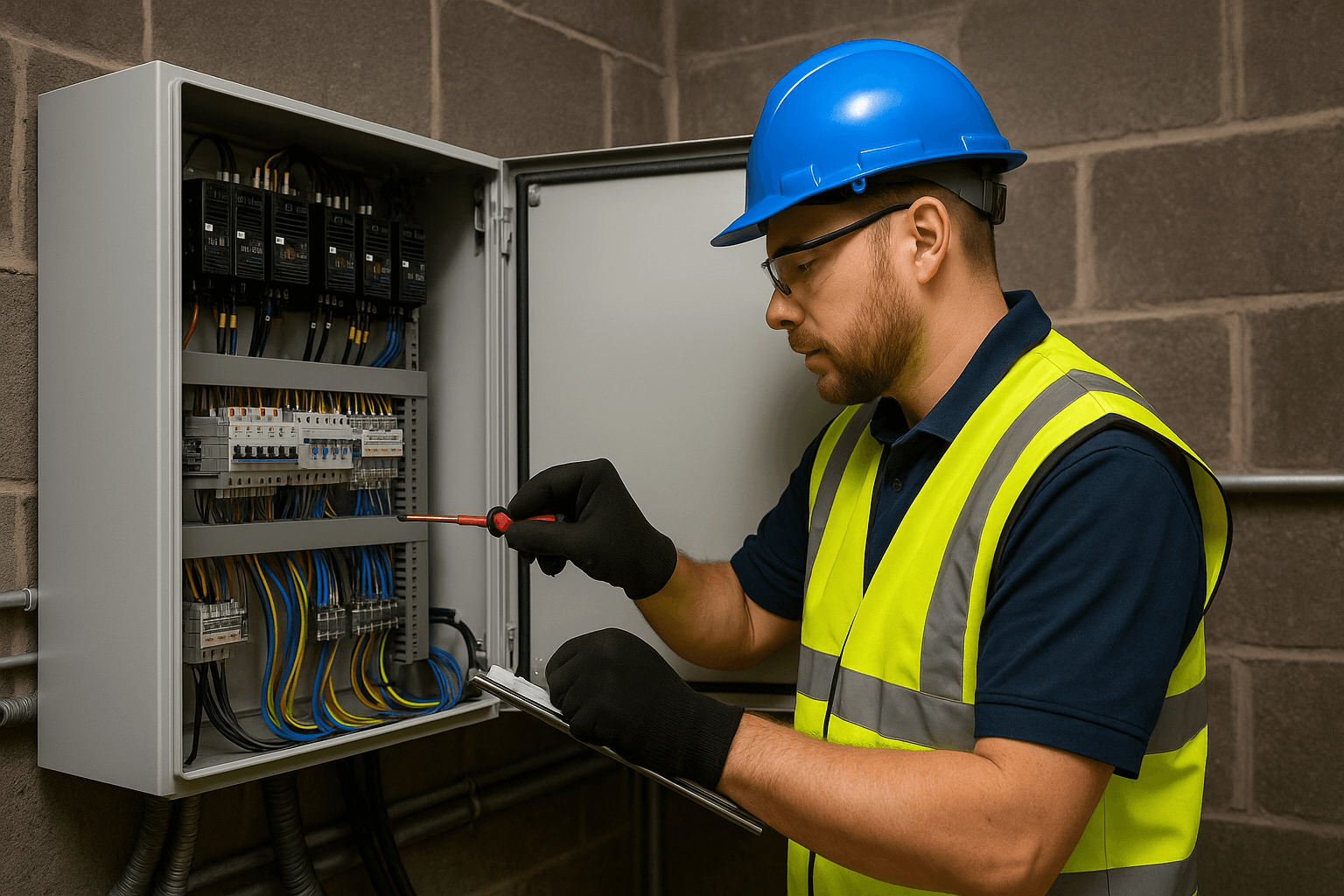
Electrician in a hard hat working inside an electrical panel
Smiling electrician wearing an orange hard hat

Grounding, Panel Checks and Planning

Before installing a surge protector, we check the panel, the main breaker, the grounding connection and the bonding between systems. A surge device relies on a good path to ground, so any grounding or bonding concerns are pointed out and addressed as part of the plan.

If you are planning other panel work, such as an electrical panel upgrade, surge protection can often be added at the same time. Many SPDs have an indicator that shows whether protection is still active, since some devices wear out after absorbing surges.

Installing a whole-house surge protector means working inside the electrical panel and on service equipment, so it is not a DIY task. As an electrician in Salt Lake City, we handle the assessment and installation and explain what the device can and cannot do.

FAQs

Whole-House Surge Protection FAQs

Common questions about surge protection for the home.

It is a surge protective device installed at the electrical panel or service equipment that helps limit voltage spikes on the circuits throughout the home.

It can help reduce surges reaching appliances and their electronic controls. How much it helps depends on the device, the installation and the surge, so it lowers risk rather than removing it.

Not completely. It can help with some lightning-related surges, but a nearby or direct strike can overwhelm surge protection, and surges can also enter through cable or phone lines.

Usually at the main electrical panel or service equipment. The exact location and device type depend on your panel and service setup.

Yes, for sensitive electronics. A whole-house device and plug-in protectors work as layers, and one does not replace the other.

Often, yes, if the panel has space and accepts a compatible device. Some panels need a separately mounted SPD, and panels in poor condition may need repair first.

The device type, panel compatibility and space, the condition of grounding and bonding, and any other panel work needed all affect the job.

Need Our Help

Contact Us About Whole-House Surge Protection

Tell us about your panel and the equipment you want to protect. Call 385-290-3821 or email info@electriciansaltlakecityutpro.com.